How To Reduce Event Costs During High-Demand Periods For Music Festivals And Conferences
Planning large-scale events like music festivals and corporate conferences in Nashville during peak season requires a strategic approach, especially with high-demand months like August and September. Since venues and services are often booked far in advance, it’s essential for event coordinators to secure festival vendors and event suppliers early while keeping costs manageable. In the following article, we’ll discuss practical tips to help reduce expenses without compromising quality for upcoming events.
1. Begin Festival and Corporate Event Planning Early
Starting the festival planning or corporate event planning process early gives you more control over costs, especially in Nashville’s high-demand season. High-profile venues like the Gaylord and Music City Center often book up quickly for fall events, so early event venue booking is crucial for securing both cost-effective and desirable options. By securing venues, vendors, and services well ahead of time, you can often benefit from lower rates and lock in your top choices before prices rise.
Early planning tips for festivals and conferences:
- Pre-Book Key Suppliers: Essentials like audio-visual setups, staging, and lighting are in high demand. Booking early allows for potential discounts and ensures availability.
- Create a Detailed Budget: Outline all anticipated expenses and build a contingency fund for unexpected costs.
- Secure Early Bird Discounts: Many suppliers offer discounts for advance bookings, which can reduce costs significantly.
2. Choose Flexible Event Dates to Reduce Costs
Flexibility with dates not only helps secure venues like the Westin and Four Seasons but also reduces competition for festival vendors, which can result in lower costs overall. While weekends in September are especially competitive, choosing alternative dates can make a big difference in your planning. Midweek dates or less popular weekends may offer reduced rates and greater flexibility, both for venues and event suppliers.
Tips for choosing budget-friendly dates:
- Look for Off-Peak Days: Consider weekdays or less popular weekends for better availability and pricing.
- Consider Seasonal Variations: While late summer and early fall are peak months, exploring slightly earlier or later dates may yield savings.
- Negotiate with Venues: Some venues are open to negotiating prices during off-peak days, allowing for potential cost savings.
3. Partner with Local Festival Vendors and Suppliers
Working with local festival vendors and event suppliers can help you save on shipping, transportation, and logistics. Nashville offers a wide selection of reliable local vendors experienced with high-demand events, allowing for potentially smoother communication and quicker problem-solving during peak seasons.
Benefits of partnering with local vendors:
- Reduced Transportation Costs: Local vendors reduce the need for long-distance shipping, cutting down on fuel and delivery fees.
- Better Flexibility: Local vendors are often more accommodating with last-minute changes or adjustments.
- Enhanced Community Engagement: Partnering with local businesses can enhance the event’s reputation, especially for community-focused festivals.
4. Optimize Staffing to Maximize Budget Efficiency
Labor costs can rise rapidly during high-demand periods. To manage these expenses, try optimizing your staffing strategy. A balanced mix of paid staff, temporary workers, and volunteers can help cover essential roles effectively without overspending. By assessing your team’s specific needs, you can allocate resources wisely and keep labor costs in check.
Cost-effective staffing strategies:
- Hire Part-Time or Seasonal Staff: Rather than full-time employees, use temporary staff for event setup, registration, and teardown.
- Recruit Volunteers: For large festivals, volunteers are often eager to help in exchange for perks like free entry or merchandise.
5. Streamline Marketing Tactics for Cost-Effective Promotion
High-quality marketing doesn’t always require a high budget. Use cost-effective digital marketing strategies to promote your event, such as social media campaigns, influencer partnerships, and email marketing. These approaches help reach a wide audience while keeping promotional expenses manageable.
Marketing tactics for corporate event and music festival planning:
- Leverage Social Media: Platforms like Instagram, Twitter, and Facebook are ideal for promoting events and engaging with potential attendees.
- Partner with Local Influencers: Working with local influencers can boost event visibility at a fraction of traditional advertising costs.
- Utilize Email Newsletters: Regular newsletters can keep past attendees informed and engaged, increasing the likelihood of attendance without heavy advertising expenses.
6. Consider Shared Event Services
When planning events during high-demand periods, consider coordinating shared services with other events. Sharing resources such as staging, lighting, and sound equipment with neighboring events or festivals can significantly reduce costs without compromising quality.
Examples of shared event services:
- Transportation and Logistics: If two events occur close to each other, consider shared transportation for equipment and staff.
- Rental Equipment: By sharing essentials like staging, sound systems, and lighting equipment, you can reduce individual costs significantly.
7. Negotiate Rates with Event Suppliers
Vendors often reserve their best rates for early or long-term clients, so don’t hesitate to negotiate pricing for essential services. Building relationships with event suppliers can create opportunities for discounts or preferred rates.
Negotiation tips for vendor services:
- Request Bulk Pricing: If you’re securing multiple services from one supplier, ask for a bundled rate.
- Seek Long-Term Partnerships: For recurring events, suppliers may offer loyalty discounts for established relationships.
- Discuss Flexibility on Rates: Especially during high-demand months, open communication with festival vendors about your budget can sometimes lead to customized pricing.
8. Use Efficient Scheduling to Reduce Venue and Vendor Costs
Efficient scheduling reduces overtime costs for staff and limits rental time for equipment and facilities. Whether coordinating festival stages or corporate sessions, a well-organized schedule can help manage resources effectively and prevent unnecessary fees.
Efficient scheduling tips:
- Back-to-Back Sessions: Minimize downtime by structuring sessions consecutively, allowing for streamlined setup and breakdown.
- Designate Clear Start and End Times: Communicate exact schedules with vendors to avoid additional rental fees.
- Optimize Setup and Teardown Times: Organize setup and breakdown to avoid venue overtime fees, which are often costly during peak season.
Key Takeaway
Ultimately, reducing event costs during Nashville’s peak season in August and September is achievable with strategic planning and early coordination. For both music festival planning and corporate event planning, securing event suppliers in advance, negotiating with festival vendors, and forming local partnerships are essential for managing expenses. By applying these tips, event coordinators can create memorable experiences without overstepping their budgets.
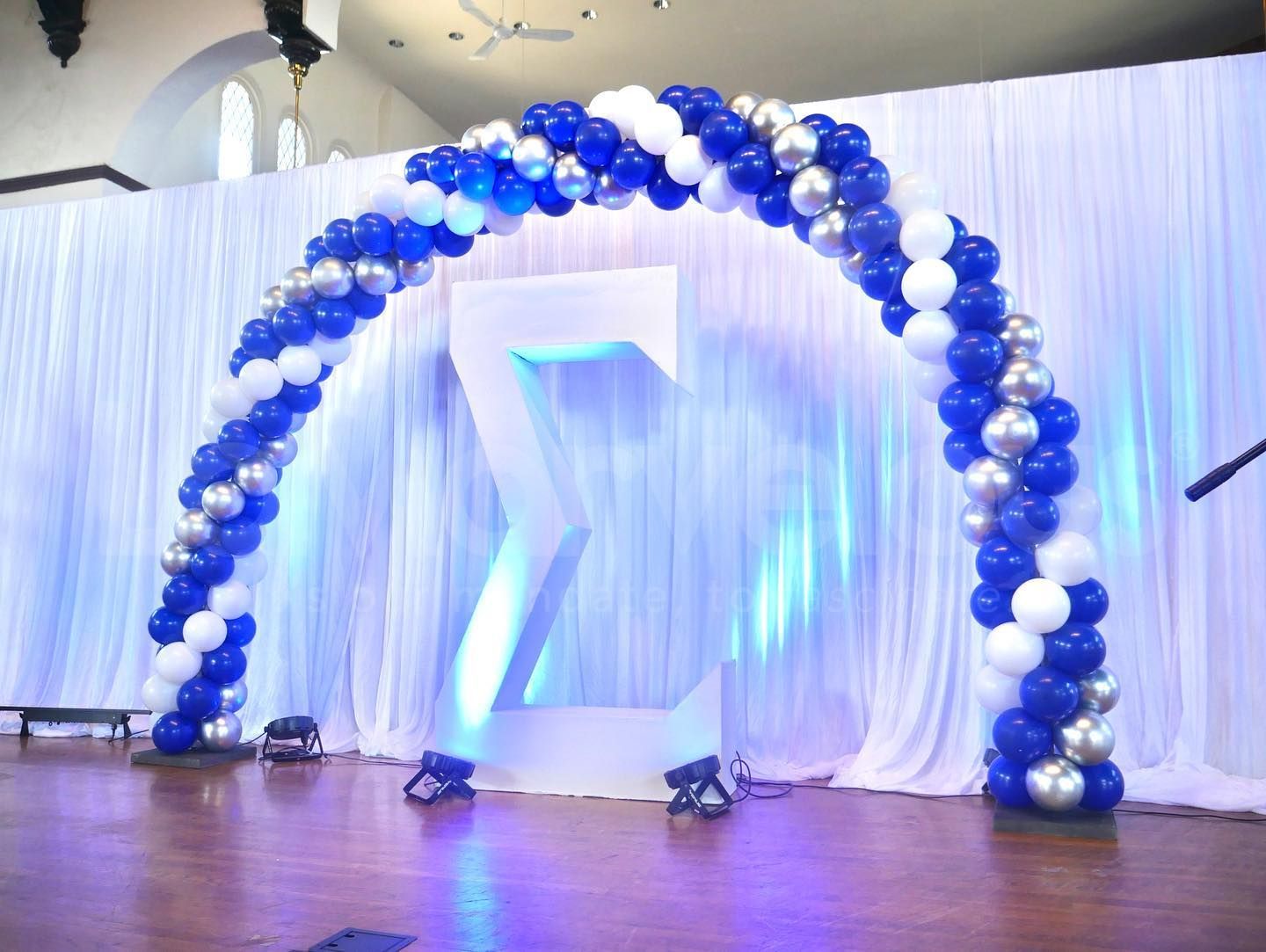
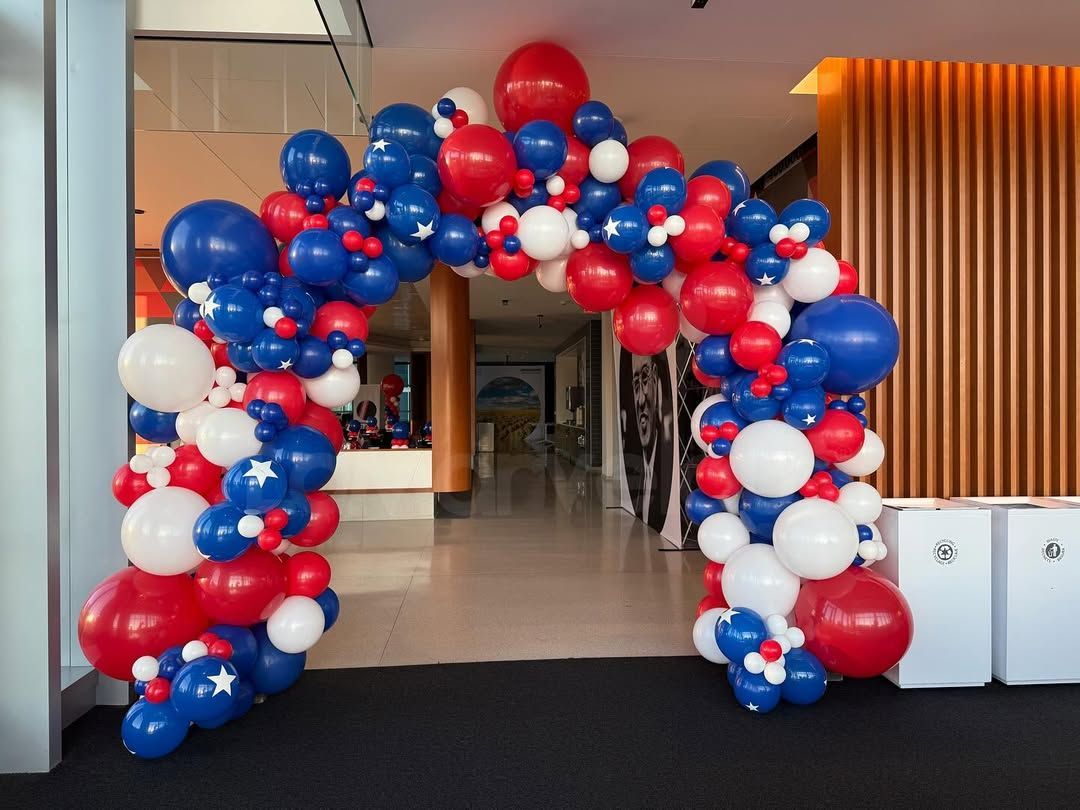
Looking for standout decor that fits your budget? At LaMarvelous Balloons, we offer creative, custom balloon installations that elevate any event without breaking the bank. Contact us to explore budget-friendly options that bring your vision to life, whether it’s a music festival or a corporate conference. Let’s make your Nashville event unforgettable!
How much should I budget for a music festival?
Budgeting for a music festival depends on various factors, including venue costs, artist fees, equipment, marketing, and staffing. Small festivals may require $10,000 to $50,000, while larger events can exceed $100,000. Be sure to set aside a contingency fund for unexpected expenses, and prioritize areas like artist fees and venue to ensure a successful experience.
How do you break down a budget for an event?
Breaking down an event budget involves categorizing expenses by priority areas, such as venue, staffing, entertainment, equipment, and marketing. Allocate funds based on importance, creating a detailed plan that includes estimated costs for each category. Establish a contingency fund for unexpected expenses, and track all spending to ensure your event stays within budget.
How do I successfully plan a music festival?
Successful music festival planning requires early coordination, especially for high-demand venues and vendors. Begin by securing a suitable location, booking artists, and arranging essential services like staging, sound, and security. Prioritize marketing to build audience interest, and ensure clear communication with festival vendors and event suppliers to maintain organization as the event approaches.
How long does it take to prepare for a big event?
Preparation time for a large event varies based on size and complexity. Smaller events may require 3-6 months, while large festivals and conferences often need 12-18 months for planning. Early coordination allows time to book key suppliers, handle marketing, and manage logistics, ensuring a smooth execution and a memorable experience.
FAQs: Reducing Event Costs During High Season