5 Ways to Turn One-Day Veteran Events Into Ongoing Support
Veteran-focused events play an important role in raising awareness and building community with former service members. Many of the veteran supported events are planned as one-day experiences, even though the veterans needs are often long-term solutions.
For veteran foundation event planners, the opportunity is to host a successful event and to create an experience that leads to continued engagement as well as lasting support. With intentional planning and thoughtful design, a single event can become the starting point for meaningful, ongoing relationships with veterans and their families.
Start With a Clear Plan for What Happens After the Event
One of the most common challenges with veteran events is that attendees leave without a clear understanding of what comes next. While the event may be impactful, its value can fade quickly if there is no follow-up structure in place.
Many events are designed with only the end in mind. This includes providing clear opportunities for veterans to connect with ongoing programs and services. Whether that means signing up for future workshops, meeting with resource coordinators, or receiving follow-up information, the next step should be easy to understand and to access.
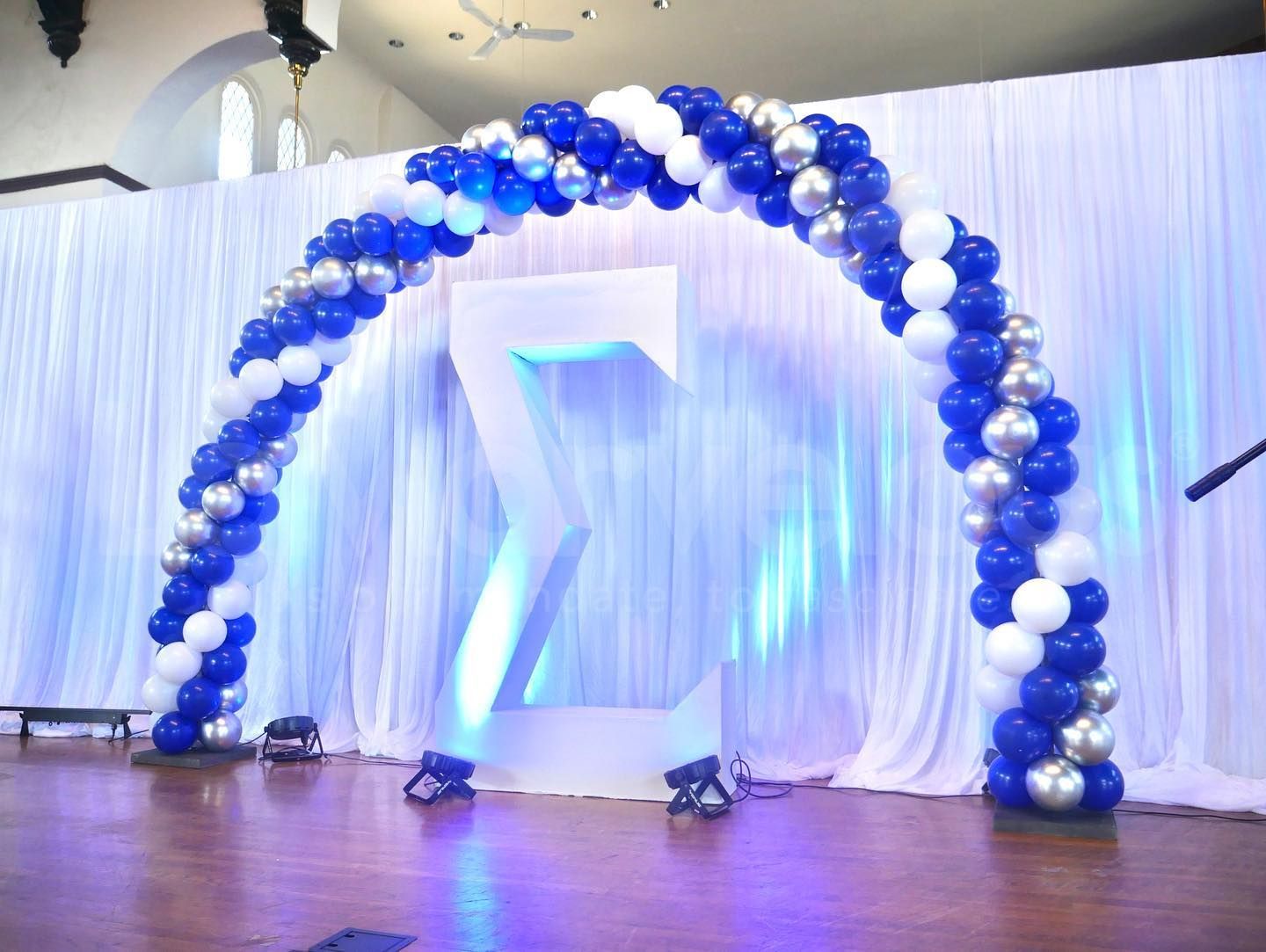
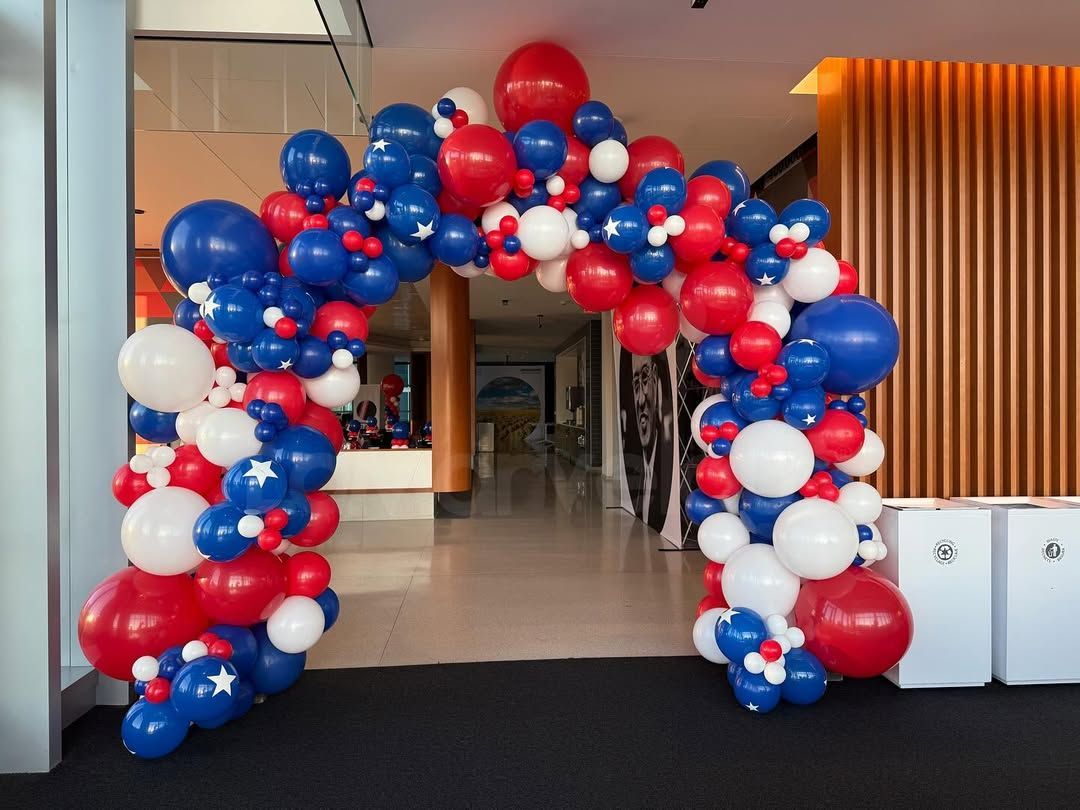
Event layout and organization can support this goal. Clearly defined areas for resource sign-ups, information tables, or follow-up conversations help guide attendees. Visual cues such as signage and balloon decor placement can subtly direct veterans toward continued engagement without feeling overwhelming.
Create an Environment That Encourages Trust and Comfort
Trust is essential when working with veteran communities. Many veterans are cautious about engaging with new organizations or programs, especially if they are unsure how support will continue after the event.
The environment of the event plays a significant role in how veterans feel when they arrive. A well-organized, welcoming space communicates respect and professionalism. Clear navigation and carefully arranged gathering areas help veterans feel more comfortable so they will ask questions and engage with the available resources.
Event decor should support this sense of clarity and comfort. Decor elements can be used intentionally to define areas, create entry points, and reinforce the purpose of the event. When the environment feels intentional, it helps build trust and encourages veterans to return for future programs.
Use the Event to Educate and Connect Veterans to Resources
One-day events are a valuable opportunity to provide immediate value through education and awareness. Beyond recognition or fundraising, veteran events can help attendees better understand what resources are available and how to access them.
This might include resource stations, informational sessions, or conversations with service providers. Providing take-home materials or digital follow-up resources allow the veterans to revisit information after the event. This allows for the veterans to review the information on their own time.
Clear visual organization supports this effort. When resource areas are easily identifiable and easy to navigate the veterans are more likely to engage without feeling pressured to interact. Thoughtful layout and decor placement help create structure and make the event feel approachable, even in larger venues.
Build Follow-Up and Community Into Your Event Strategy
Turning a one-day event into ongoing support requires consistent and intentional follow-up. Collecting contact information should be done transparently, with a clear explanation of how staying connected benefits the veterans.
Follow-up efforts may include program updates, invitations to future events, educational newsletters, or direct outreach for specific services. When communication feels helpful rather than promotional, veterans are more likely to stay engaged.
Community partnerships can further extend the impact of an event. Collaborating with local veteran service organizations, healthcare providers, and community groups helps create a broader support network. Events that highlight these partnerships show veterans that support does not end when the event does.
What can you do to support veterans?
Supporting veterans can include connecting them to healthcare and mental health services, providing employment and housing resources, creating welcoming community spaces, and maintaining consistent engagement beyond a single event.
How can you show your support for veterans on Veterans Day?
Veterans Day events can go beyond recognition by offering educational resources, highlighting available services, and inviting veterans to participate in ongoing programs that provide continued support.
What are veterans’ biggest needs?
Veterans’ needs often include access to healthcare, mental health support, stable housing, employment assistance, and community connection. Events that link veterans to long-term services help address these needs more effectively.