By Lamar Allen
•
August 1, 2026
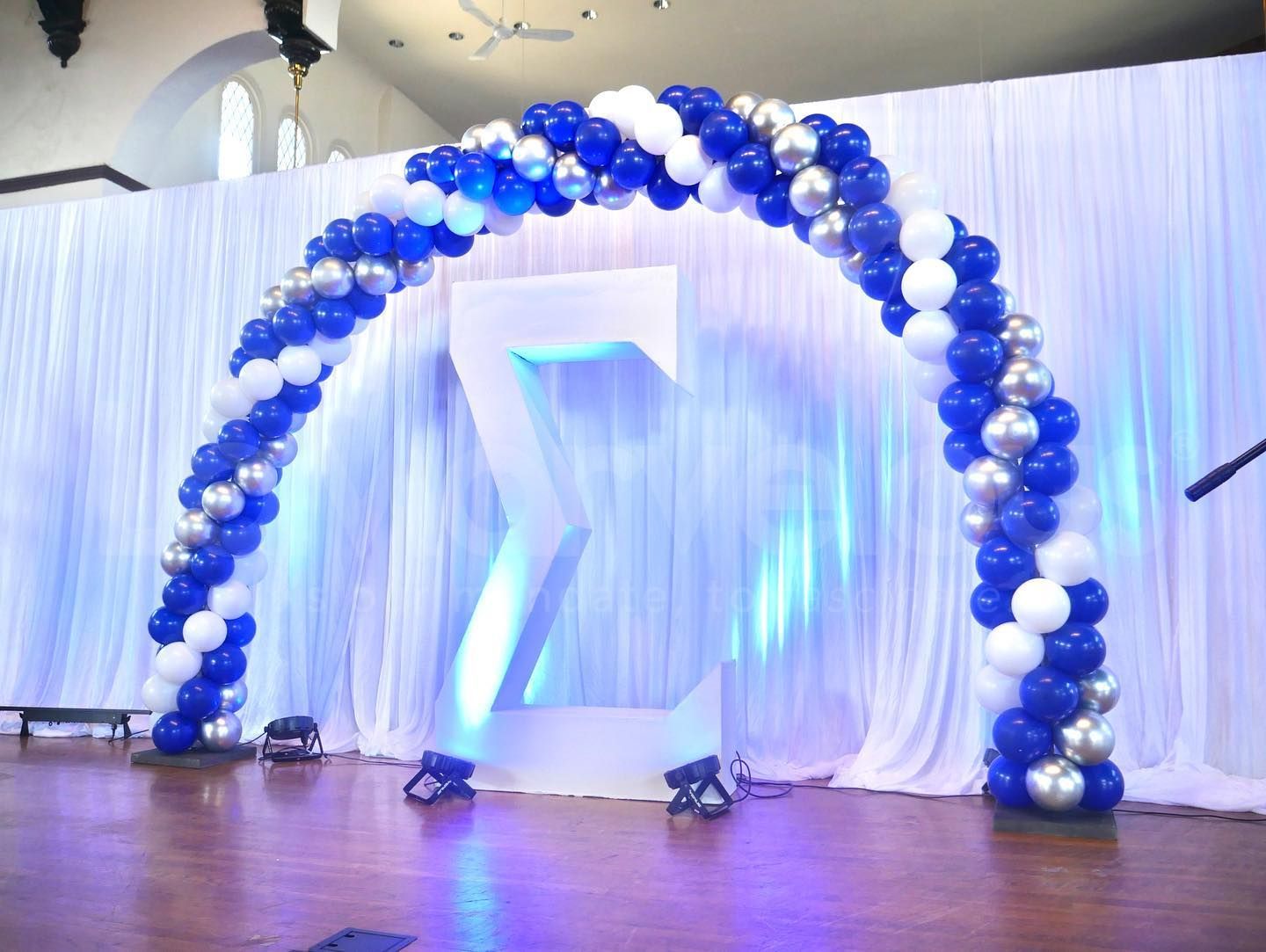
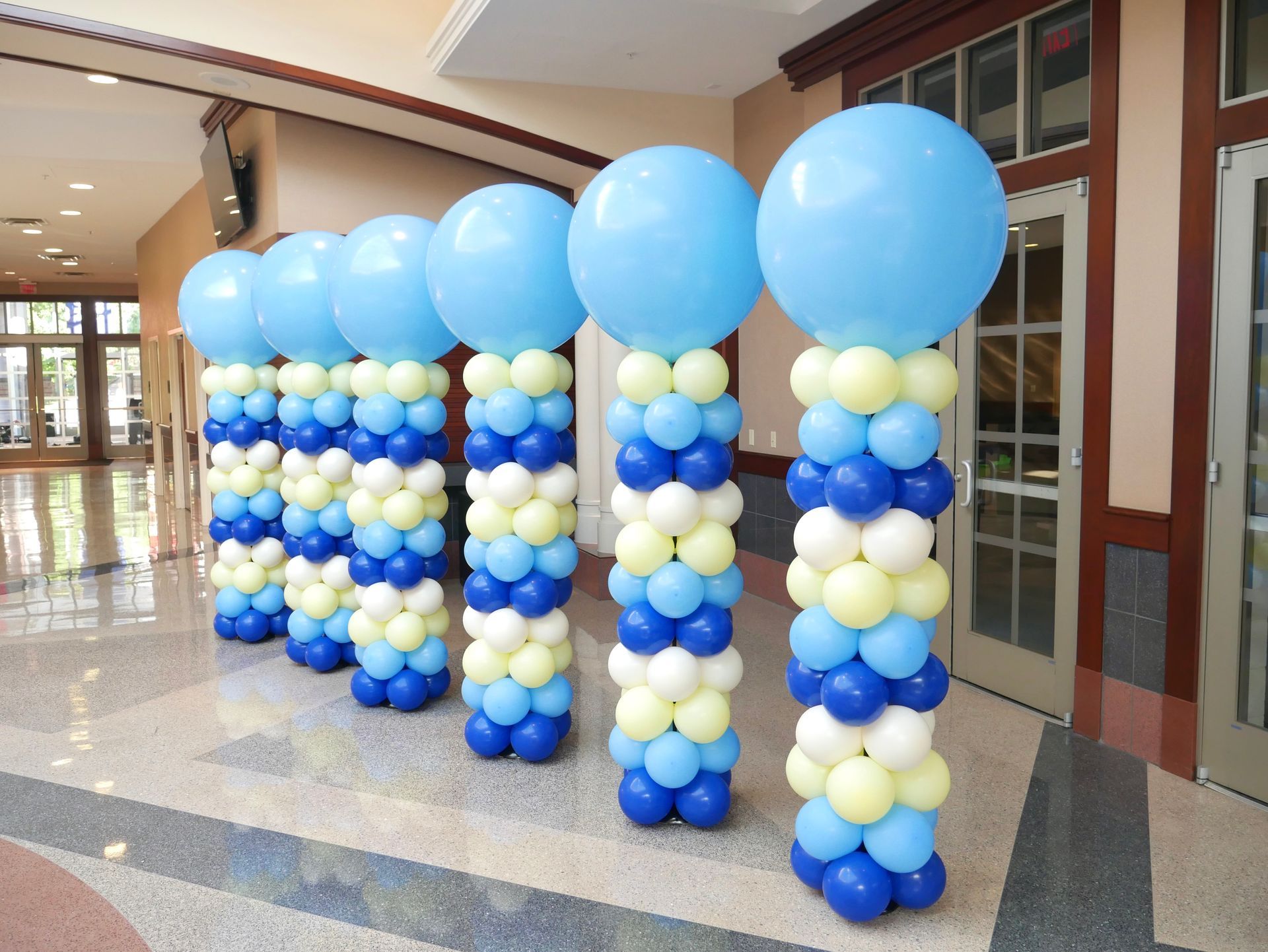
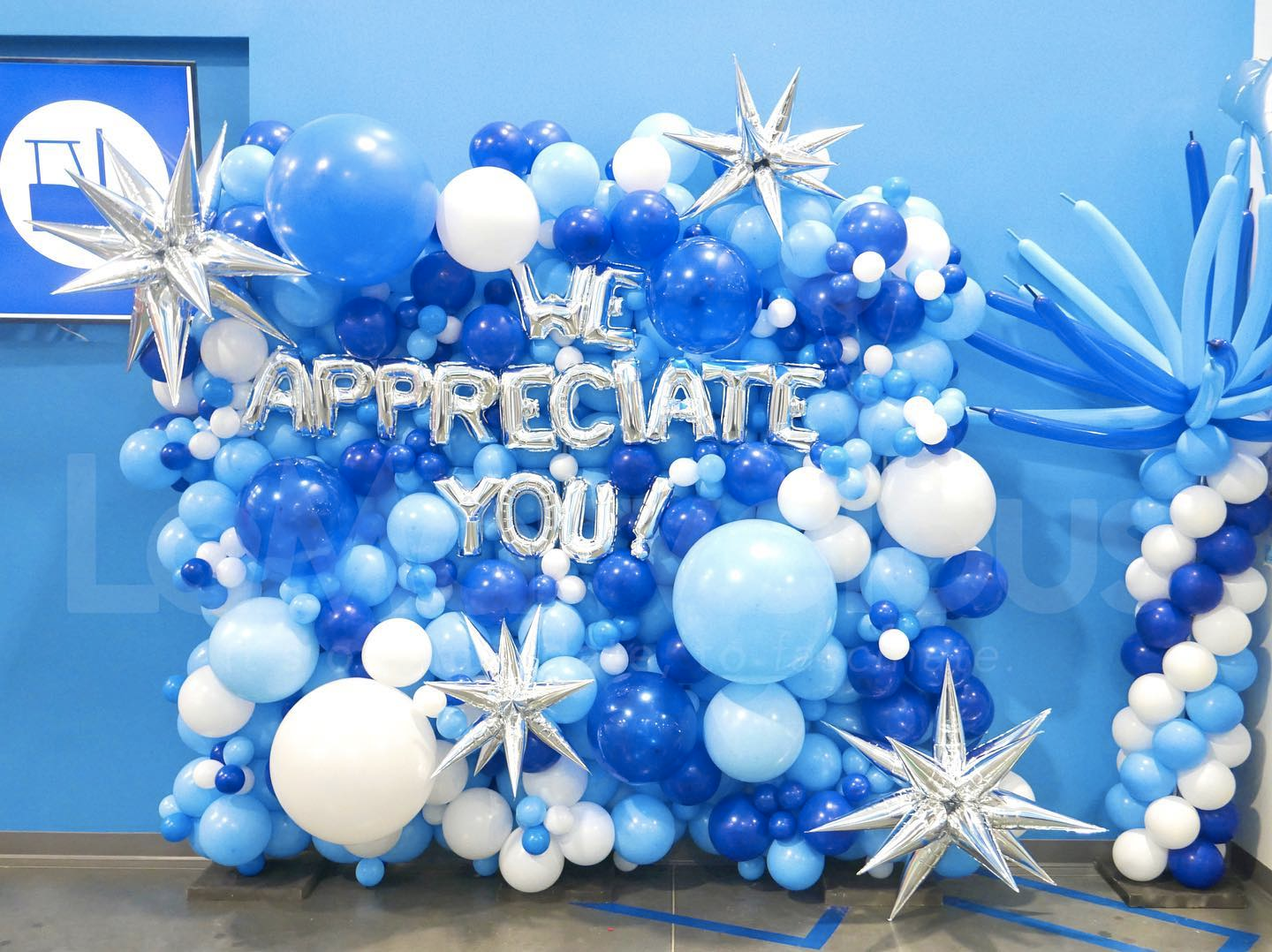
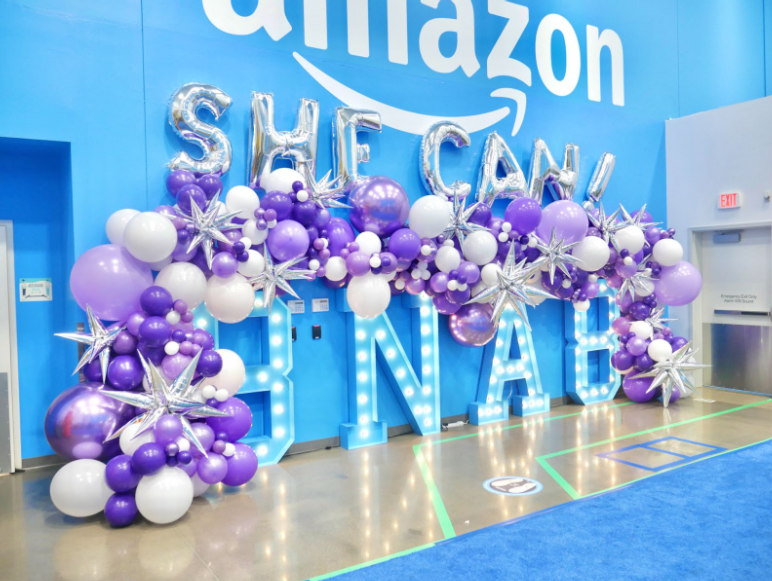
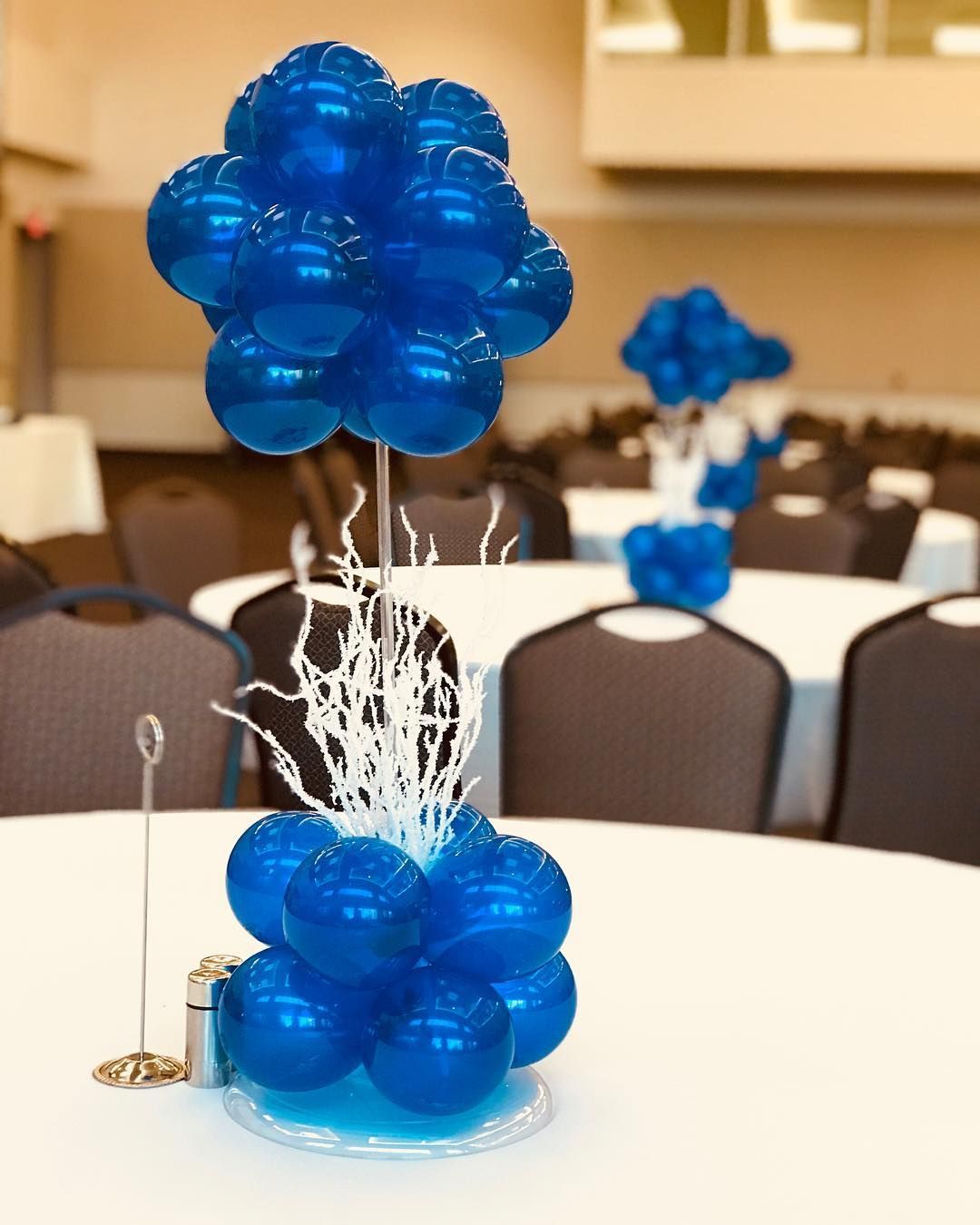
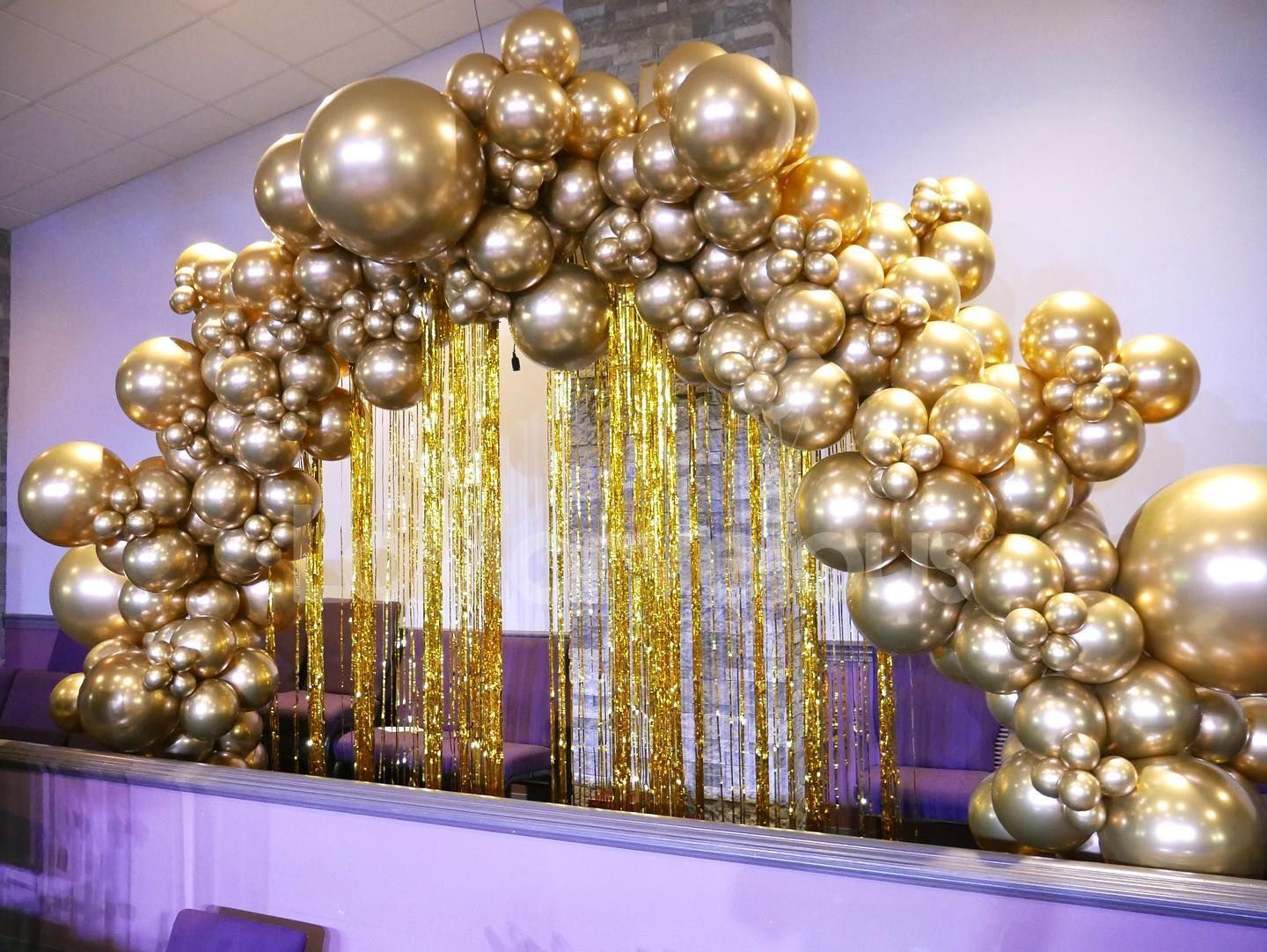
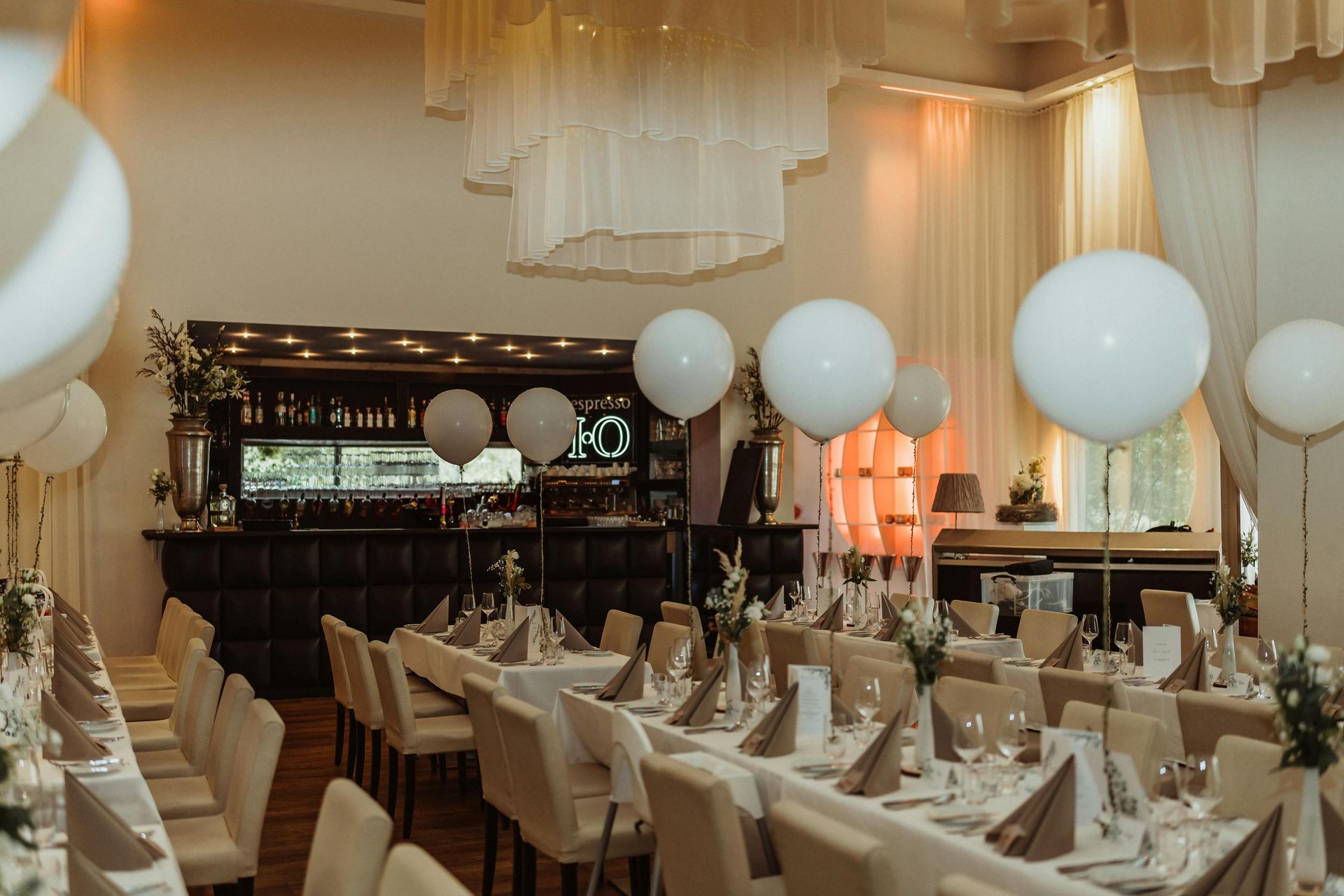
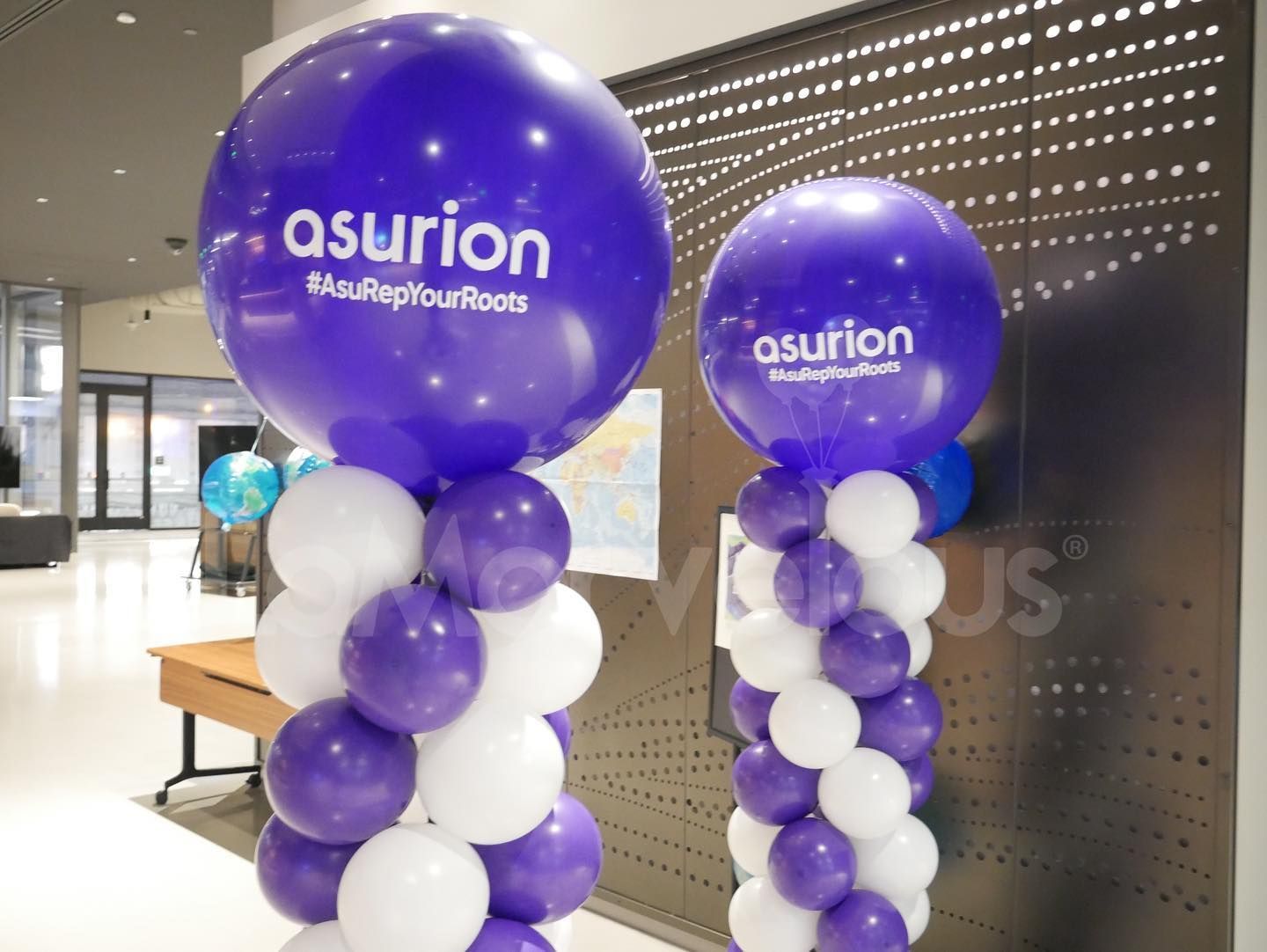
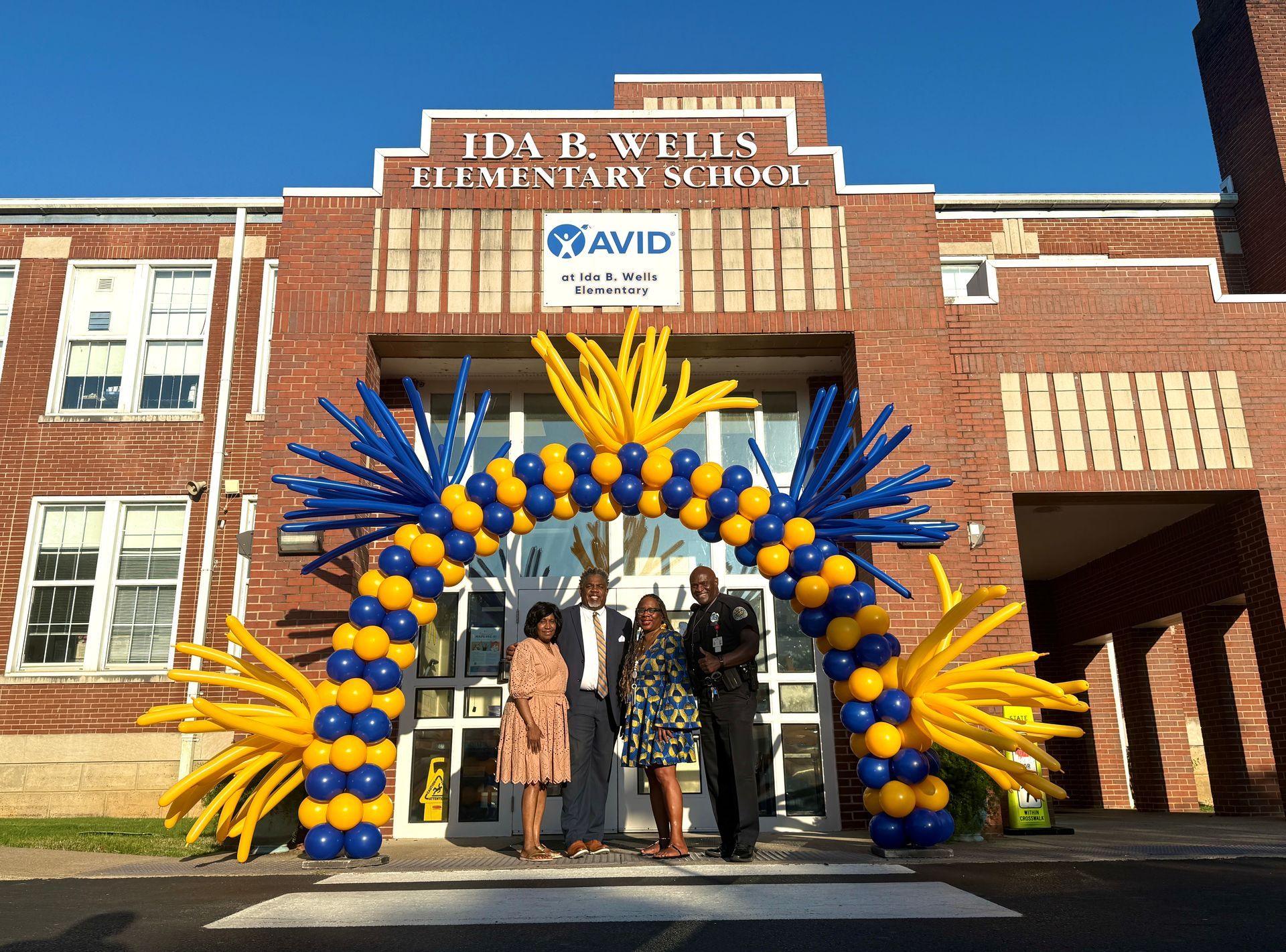
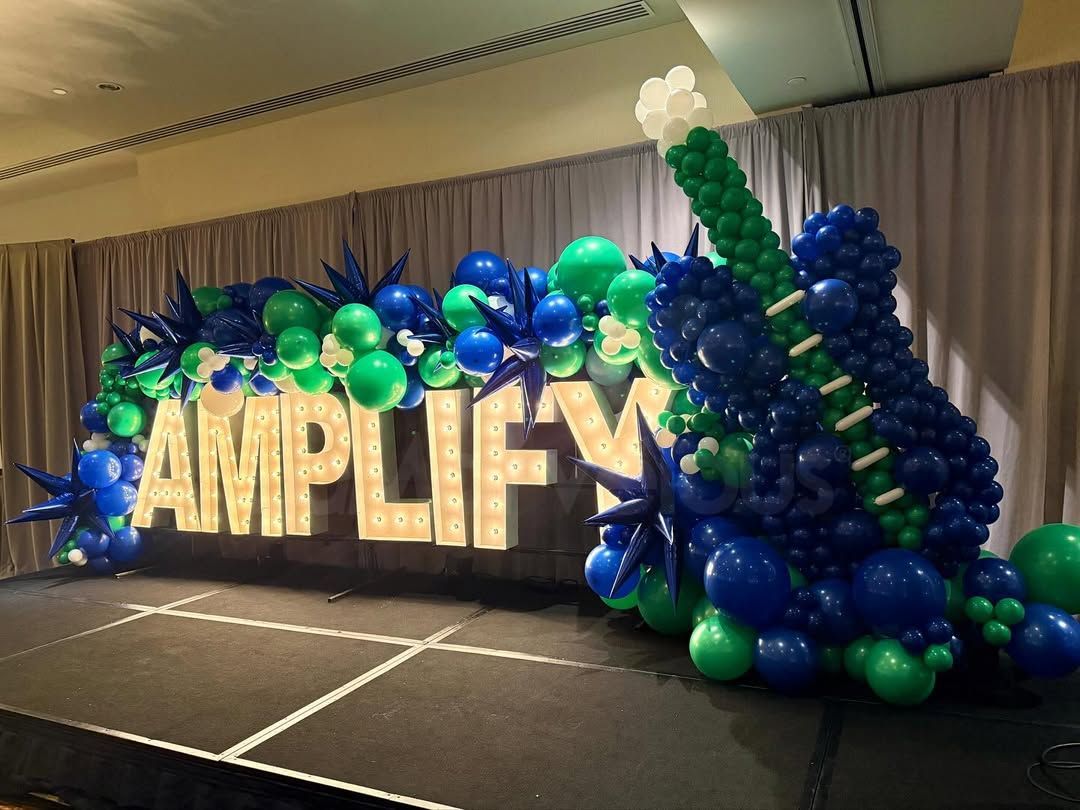
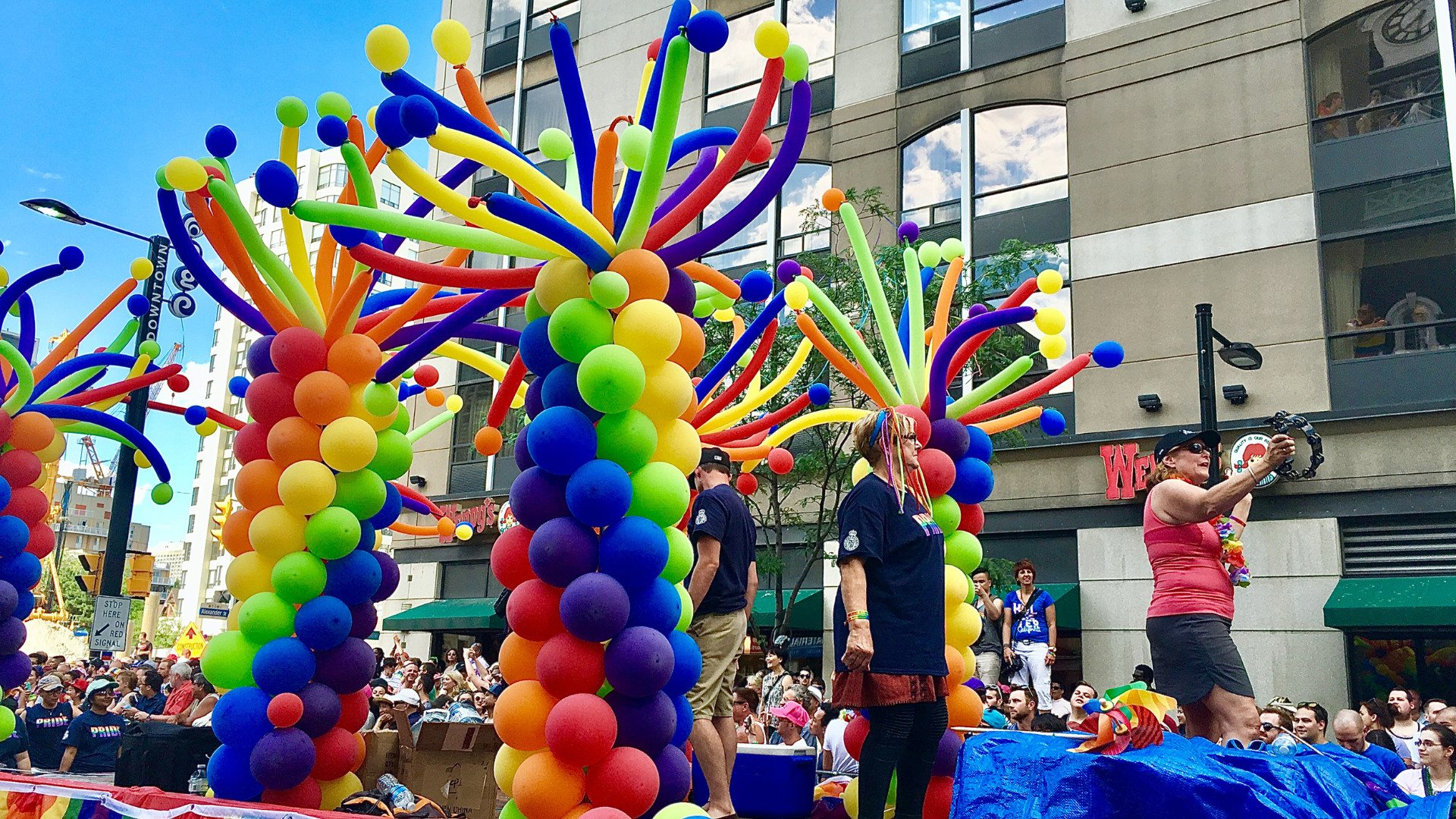
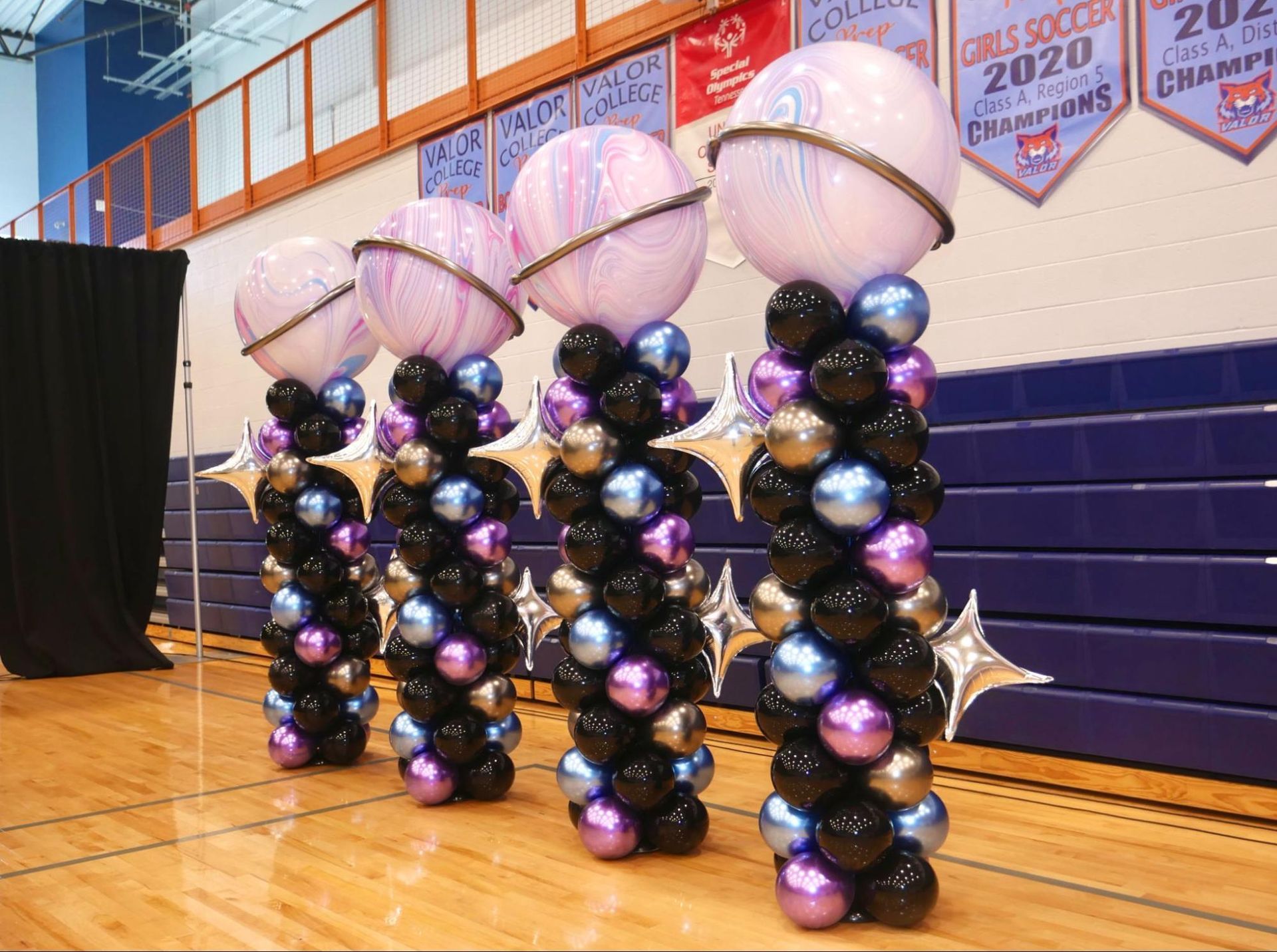
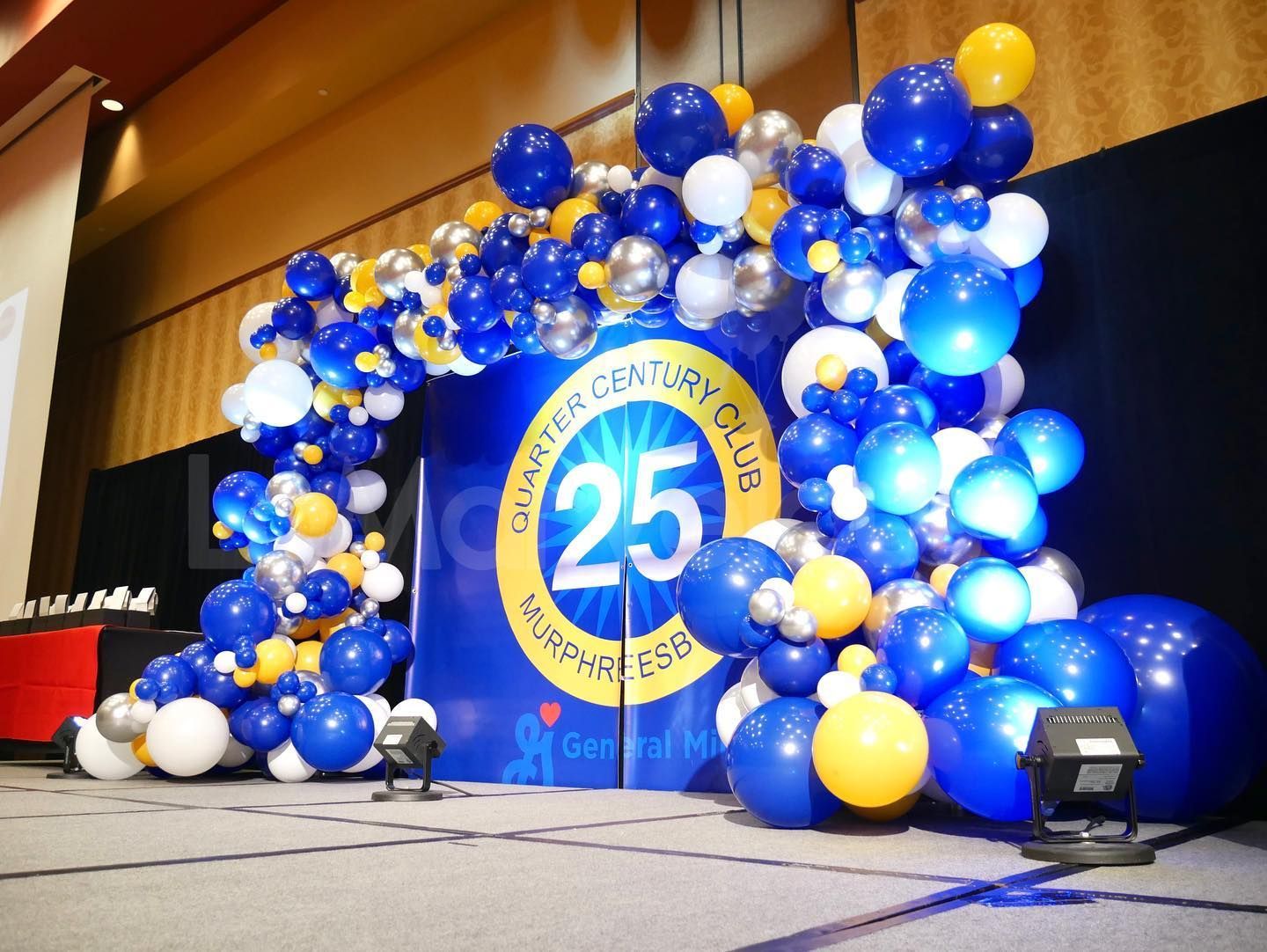
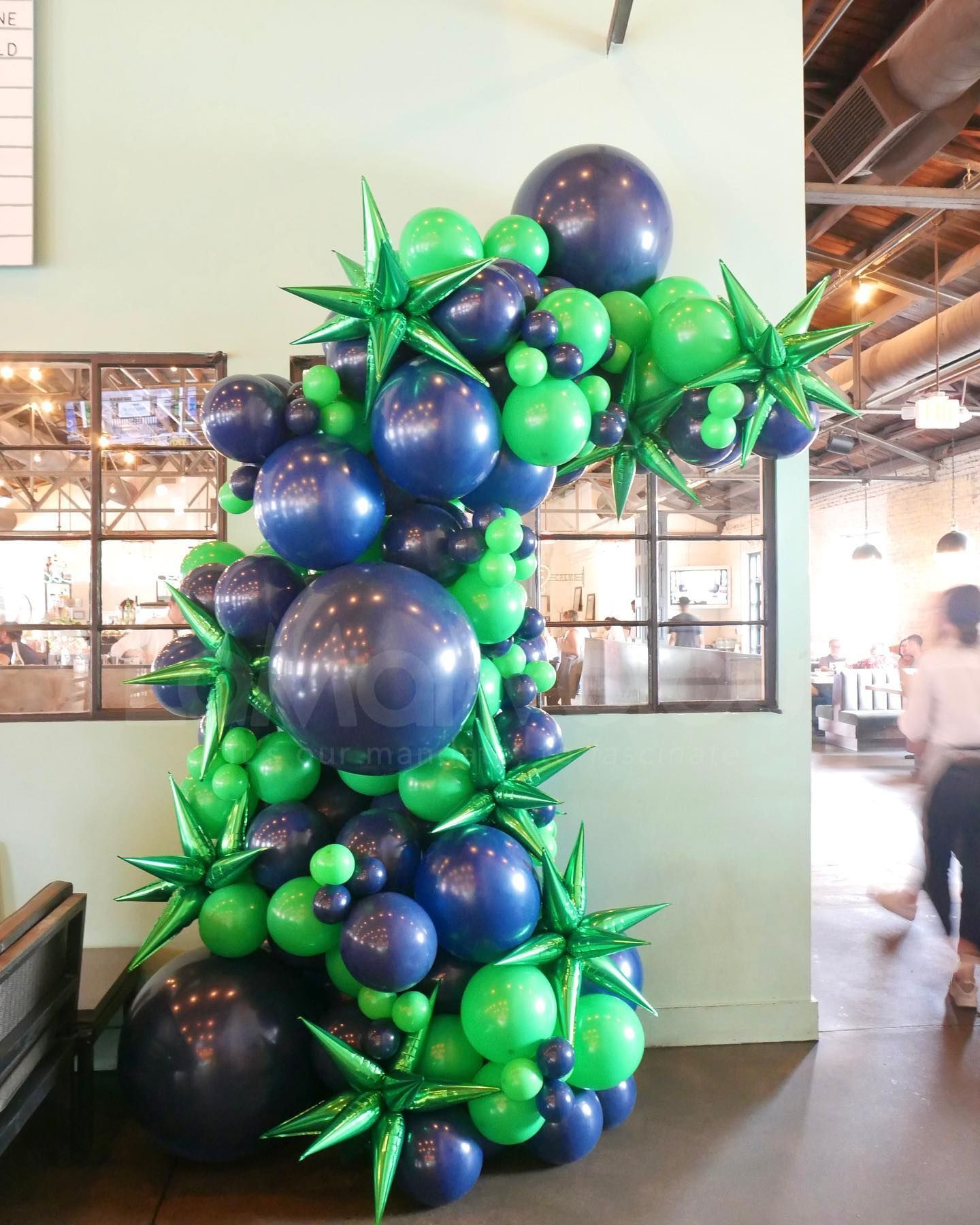
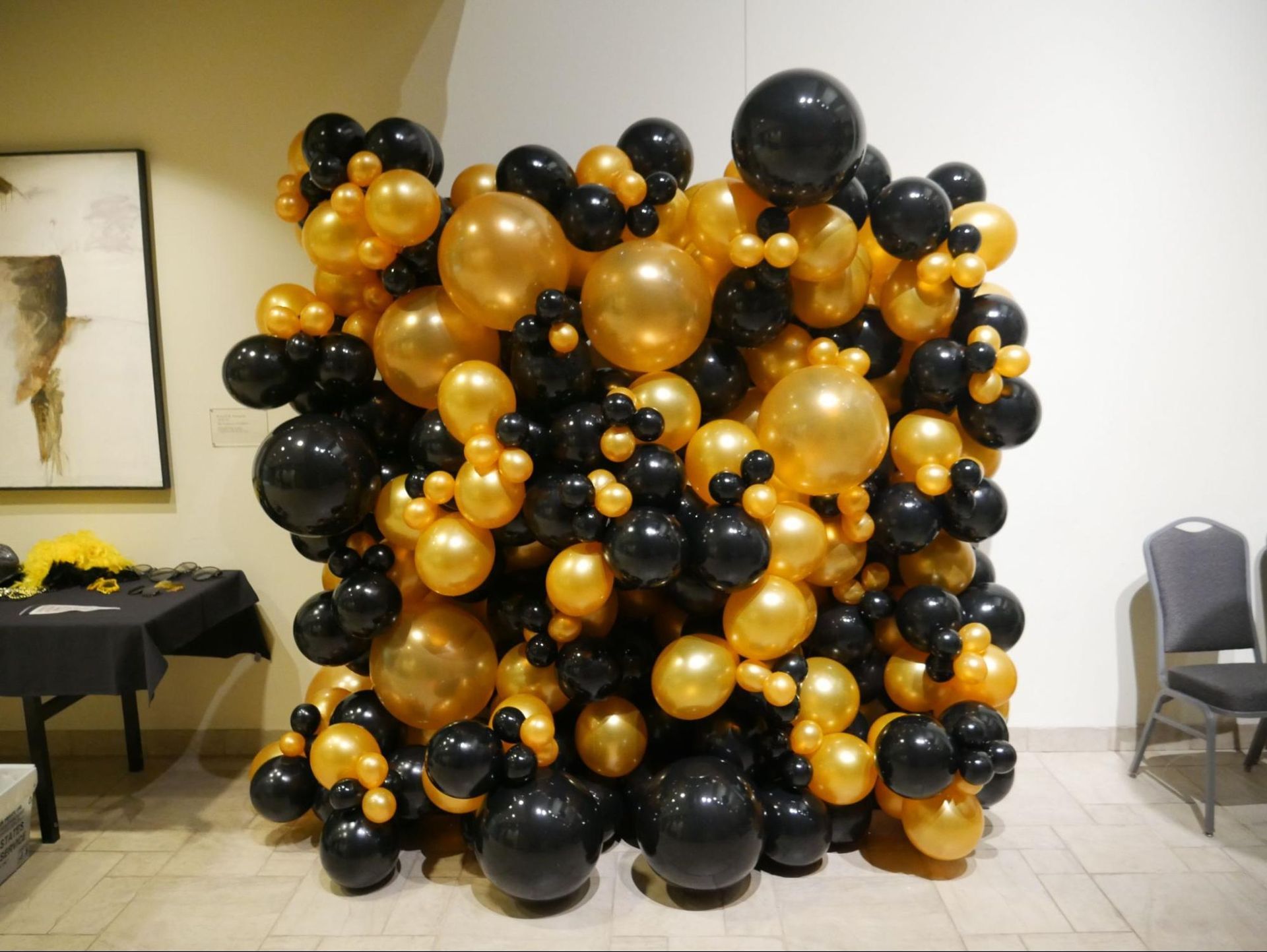
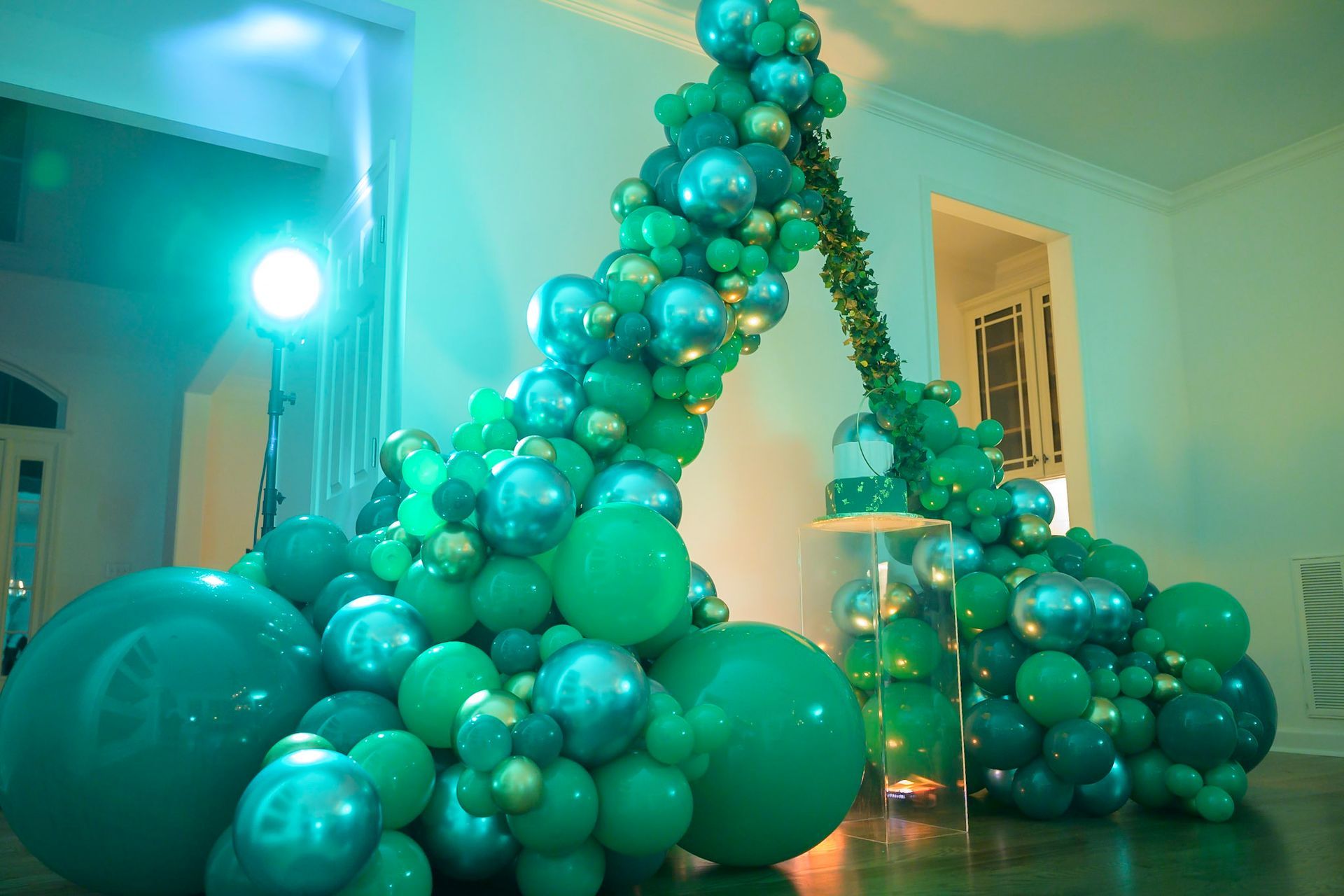
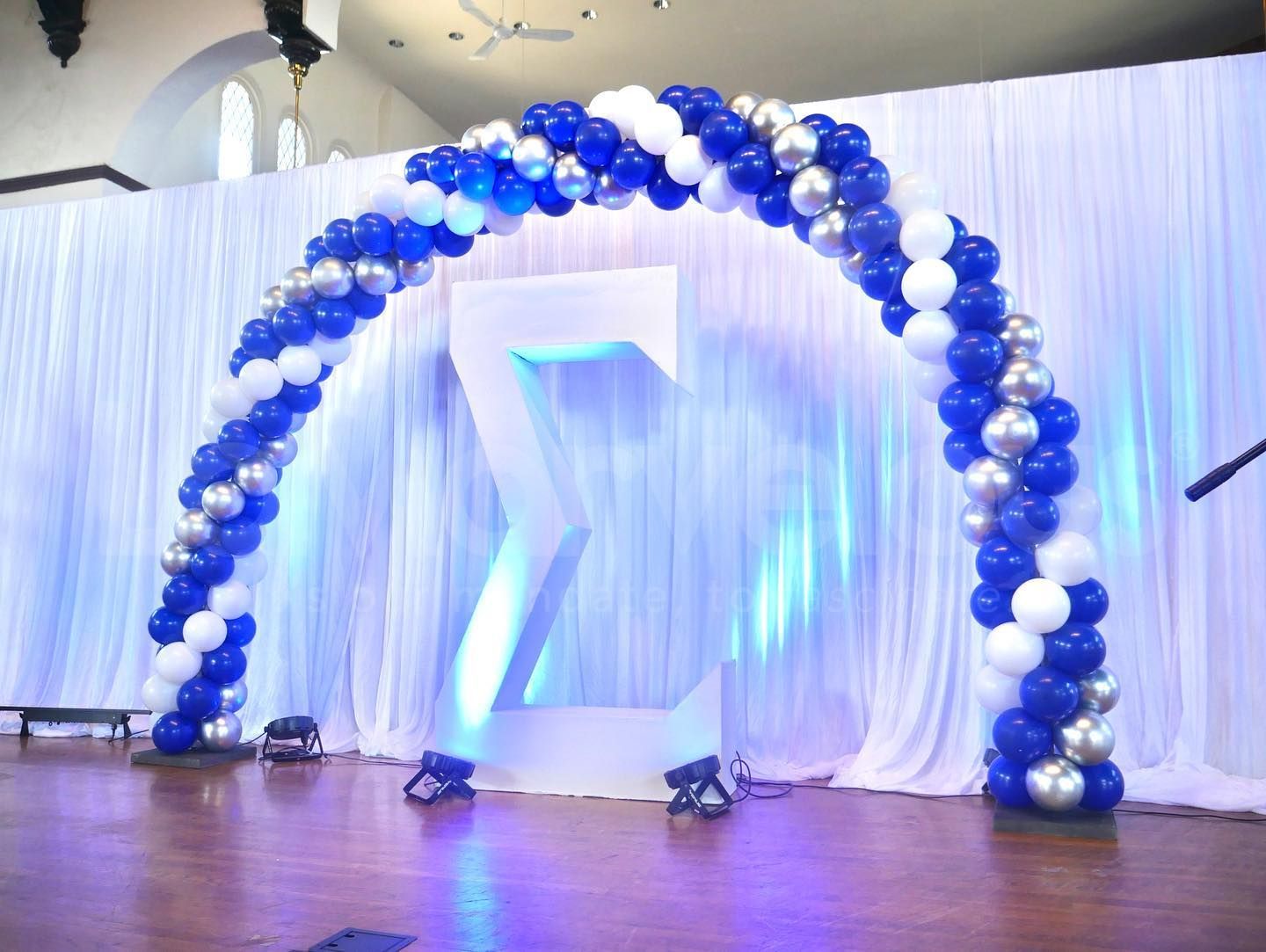
Healthcare conferences bring together professionals who want to learn, share ideas, and build stronger connections within their field. A successful event requires more than a strong agenda, however. The environment surrounding each presentation can also influence how attendees experience the conference. Thoughtful event design can make a healthcare conference easier to navigate, reinforce the event’s branding, and create more energy around key sessions. Balloon decor, custom backdrops, signage, and branded installations can help planners create a polished setting without distracting from the educational purpose of the event. By coordinating the speaker program with the event’s visual design, healthcare conference planners can create a more cohesive and engaging experience from registration through the closing reception. Start With Clear Conference Goals Before choosing speakers, session formats, or decor, planners should define what the conference is intended to accomplish. These goals will guide nearly every other decision. A healthcare conference may focus on: Sharing new clinical knowledge Providing professional or continuing education Discussing healthcare policy and regulations Introducing new technology or treatment options Supporting hospital leadership and workplace development Encouraging networking between healthcare professionals Recognizing employees, researchers, or industry leaders Once the goals are clear, planners can choose speakers and design elements that reinforce the event’s main message. A conference centered on innovation may call for modern branding and technology-focused displays, while an association meeting may benefit from décor that highlights the organization’s history, colors, and member community. Choose Speakers Who Match the Audience The best conference speakers understand both their topic and the people attending the session. A presentation for physicians may require a different level of detail than a session designed for hospital administrators, association members, or healthcare program directors. When evaluating potential speakers, planners should consider their professional experience, subject-matter knowledge, and ability to communicate clearly. Reviewing previous presentations can also provide insight into whether a speaker is comfortable on stage and capable of holding an audience’s attention. A healthcare conference lineup might include: Physicians and clinical specialists Hospital executives Healthcare researchers Public health professionals Technology and medical equipment experts Patient advocates Policy and regulatory specialists Workplace culture and leadership speakers A varied lineup can help maintain attendee interest while addressing different parts of the healthcare industry. Select Session Formats That Encourage Participation Not every subject needs to be delivered as a traditional lecture. Using several session formats throughout the conference can help keep the program active and give attendees more ways to participate. Keynote presentations work well for broad industry topics or inspiring stories. Smaller breakout sessions can provide deeper education, while panels allow attendees to hear multiple perspectives. Workshops, roundtables, and moderated discussions may be useful when the goal is collaboration or practical problem-solving. Planners should match the speaker to the session style. Someone who delivers an excellent keynote may not be the best fit for an interactive workshop. Speakers should understand what type of participation is expected and how much time will be available for questions. Create a Strong Visual Setting for Keynote Sessions The main stage is often the visual focal point of a healthcare conference. It appears in attendee photos, promotional videos, and event recaps, making it an important branding opportunity. Stage decor should frame the presentation without blocking screens, lighting equipment, or audience sightlines. Balloon columns in the event’s colors can be placed on either side of the stage, while a balloon garland may be used to accent a branded backdrop or conference sign. Custom logos, freestanding letters, and clean stage-front displays can also help establish a professional setting. Planners should avoid overfilling the stage. Healthcare events often require large presentation screens, microphones, recording equipment, and livestreaming technology. Decor should support these elements rather than compete with them. Use Event Decor to Reinforce the Conference Brand Consistent branding can make a large conference feel more organized and intentional. The event’s colors, logo, theme, and messaging can be carried across several spaces using decor and signage. Balloon installations can often be customized to match hospital, association, or sponsor colors. Custom vinyl graphics may also be added to balloon walls, display panels, or photo backdrops. These features give attendees recognizable visual touchpoints throughout the venue. Branding can be incorporated into: Registration areas Main stages Breakout room entrances Networking lounges Sponsor activation spaces Award ceremonies Evening receptions Using a consistent visual system helps connect the different parts of the event, especially when sessions are spread across several rooms or floors.