Healthcare Conference Planning Ideas for Better Sessions and More Engaged Attendees
Healthcare conferences bring together professionals who want to learn, share ideas, and build stronger connections within their field. A successful event requires more than a strong agenda, however. The environment surrounding each presentation can also influence how attendees experience the conference.
Thoughtful event design can make a healthcare conference easier to navigate, reinforce the event’s branding, and create more energy around key sessions. Balloon decor, custom backdrops, signage, and branded installations can help planners create a polished setting without distracting from the educational purpose of the event.
By coordinating the speaker program with the event’s visual design, healthcare conference planners can create a more cohesive and engaging experience from registration through the closing reception.
Start With Clear Conference Goals
Before choosing speakers, session formats, or decor, planners should define what the conference is intended to accomplish. These goals will guide nearly every other decision.
A healthcare conference may focus on:
- Sharing new clinical knowledge
- Providing professional or continuing education
- Discussing healthcare policy and regulations
- Introducing new technology or treatment options
- Supporting hospital leadership and workplace development
- Encouraging networking between healthcare professionals
- Recognizing employees, researchers, or industry leaders
Once the goals are clear, planners can choose speakers and design elements that reinforce the event’s main message. A conference centered on innovation may call for modern branding and technology-focused displays, while an association meeting may benefit from décor that highlights the organization’s history, colors, and member community.
Choose Speakers Who Match the Audience
The best conference speakers understand both their topic and the people attending the session. A presentation for physicians may require a different level of detail than a session designed for hospital administrators, association members, or healthcare program directors.
When evaluating potential speakers, planners should consider their professional experience, subject-matter knowledge, and ability to communicate clearly. Reviewing previous presentations can also provide insight into whether a speaker is comfortable on stage and capable of holding an audience’s attention.
A healthcare conference lineup might include:
- Physicians and clinical specialists
- Hospital executives
- Healthcare researchers
- Public health professionals
- Technology and medical equipment experts
- Patient advocates
- Policy and regulatory specialists
- Workplace culture and leadership speakers
A varied lineup can help maintain attendee interest while addressing different parts of the healthcare industry.
Select Session Formats That Encourage Participation
Not every subject needs to be delivered as a traditional lecture. Using several session formats throughout the conference can help keep the program active and give attendees more ways to participate.
Keynote presentations work well for broad industry topics or inspiring stories. Smaller breakout sessions can provide deeper education, while panels allow attendees to hear multiple perspectives. Workshops, roundtables, and moderated discussions may be useful when the goal is collaboration or practical problem-solving.
Planners should match the speaker to the session style. Someone who delivers an excellent keynote may not be the best fit for an interactive workshop. Speakers should understand what type of participation is expected and how much time will be available for questions.
Create a Strong Visual Setting for Keynote Sessions
The main stage is often the visual focal point of a healthcare conference. It appears in attendee photos, promotional videos, and event recaps, making it an important branding opportunity.
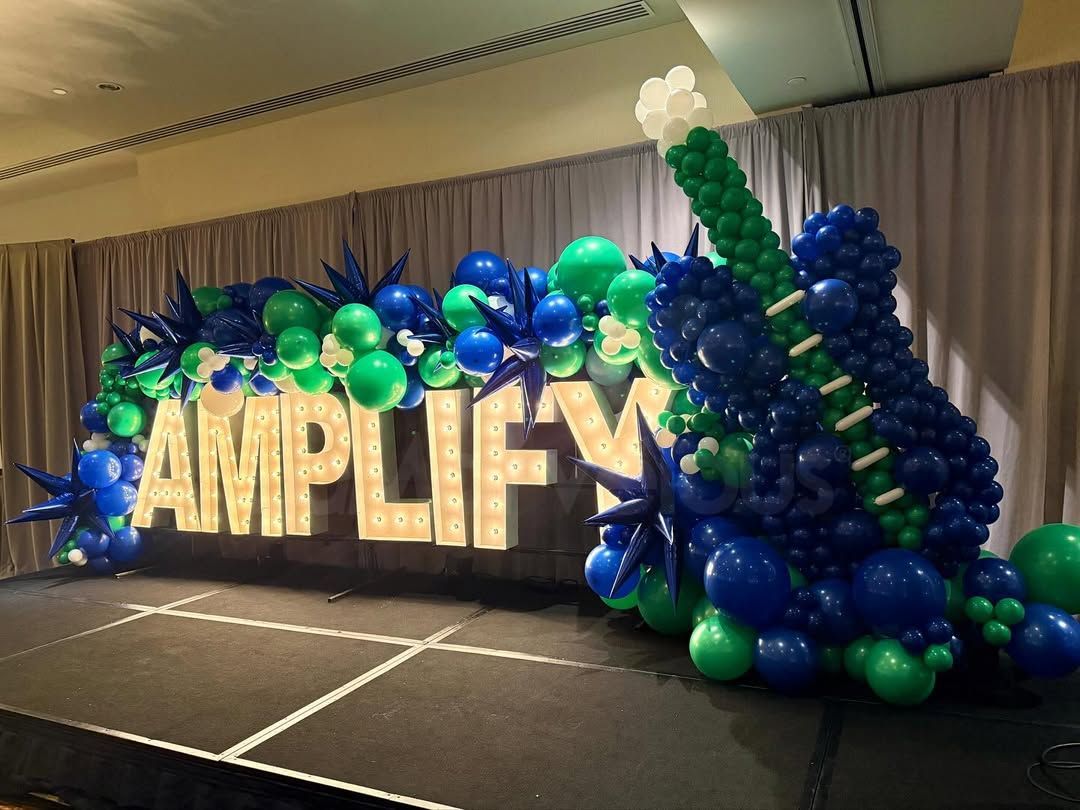
Stage decor should frame the presentation without blocking screens, lighting equipment, or audience sightlines. Balloon columns in the event’s colors can be placed on either side of the stage, while a balloon garland may be used to accent a branded backdrop or conference sign. Custom logos, freestanding letters, and clean stage-front displays can also help establish a professional setting.
Planners should avoid overfilling the stage. Healthcare events often require large presentation screens, microphones, recording equipment, and livestreaming technology. Decor should support these elements rather than compete with them.
Use Event Decor to Reinforce the Conference Brand
Consistent branding can make a large conference feel more organized and intentional. The event’s colors, logo, theme, and messaging can be carried across several spaces using decor and signage.
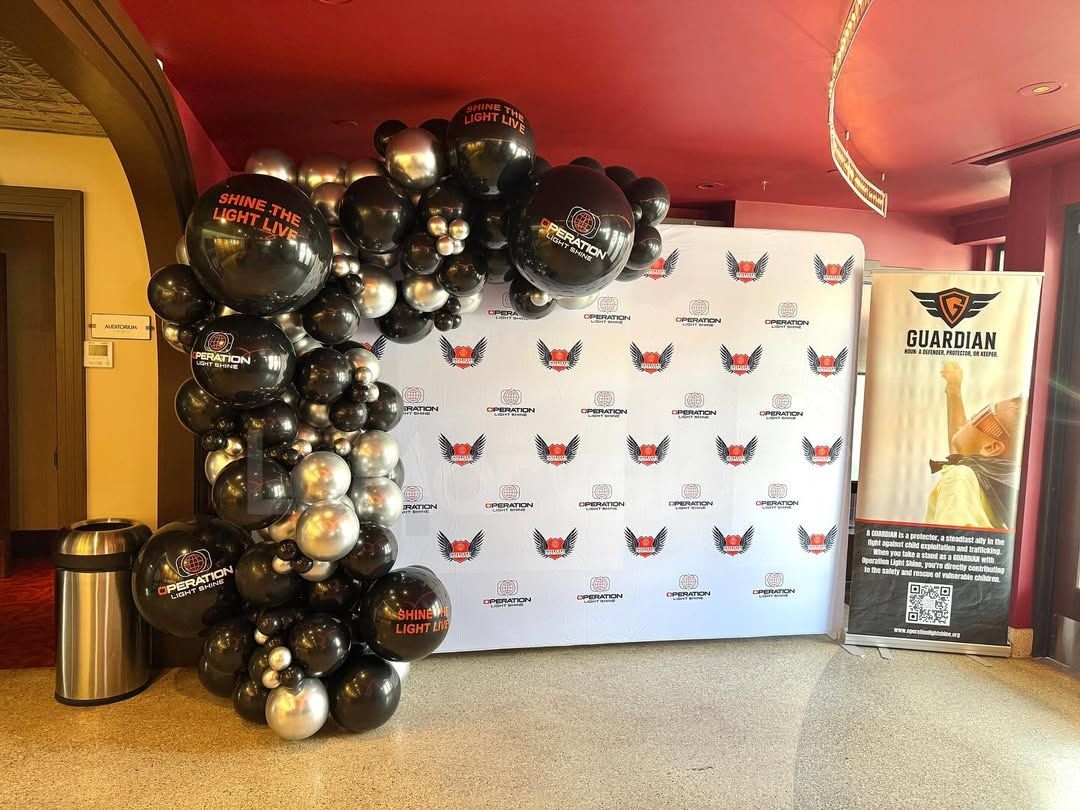
Balloon installations can often be customized to match hospital, association, or sponsor colors. Custom vinyl graphics may also be added to balloon walls, display panels, or photo backdrops. These features give attendees recognizable visual touchpoints throughout the venue.
Branding can be incorporated into:
- Registration areas
- Main stages
- Breakout room entrances
- Networking lounges
- Sponsor activation spaces
- Award ceremonies
- Evening receptions
Using a consistent visual system helps connect the different parts of the event, especially when sessions are spread across several rooms or floors.
Make Registration Feel Welcoming and Easy to Find
Registration is one of the first places attendees interact with the event. A clearly marked entrance can reduce confusion while making the arrival experience feel more inviting.
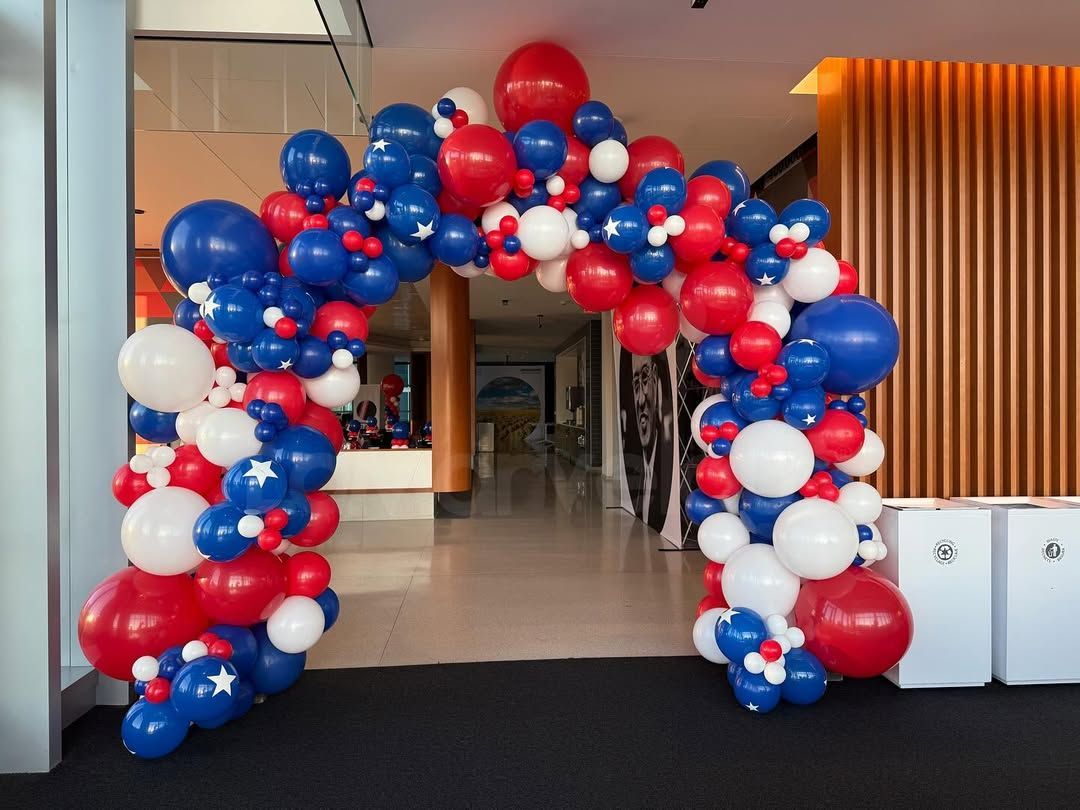
Balloon columns can be placed beside check-in desks, or a branded balloon arch can help identify the main conference entrance. A welcome wall featuring the event name, dates, or organization logo can provide another clear visual marker.
Decor can also be paired with directional signs to guide attendees toward badge pickup, coat check, session rooms, and exhibitor areas. This is particularly helpful at hotel conference centers, convention venues, and large hospital campuses where several events may be taking place at once.
Help Attendees Navigate Breakout Sessions
Healthcare conferences often include multiple educational tracks running at the same time. Clear wayfinding is essential when attendees need to move quickly between sessions.
Planners can give each conference track its own visual identity through colors, signage, or small balloon accents. For example, leadership sessions could be marked with one color, while clinical education or technology sessions use another.
Balloon columns or clusters may be placed near the entrances to major breakout areas, provided they do not restrict hallways or door access. These visual markers can help attendees identify the correct space from a distance.
The goal is not to decorate every doorway. Instead, planners should use a few consistent visual cues that make the venue easier to understand.
Design Networking Areas That Encourage Conversation
Networking is an important part of many healthcare conferences. Attendees may use breaks to connect with colleagues, meet potential partners, or discuss what they learned during a session.
Dedicated networking spaces can feel more inviting when they are visually separated from formal presentation areas. Balloon-framed lounges, branded cocktail tables, sponsor walls, and small centerpiece arrangements can help define these spaces.
A photo backdrop can also encourage attendees to share their conference experience online. It may include the event logo, organization branding, sponsor names, or a custom conference hashtag.
These areas should still allow comfortable movement and conversation. Décor should be placed around seating and gathering zones without creating obstacles or making the space feel crowded.
Give Sponsors Meaningful Visibility
Sponsors often play an important role in supporting healthcare conferences. The challenge is providing recognition without overwhelming the educational experience.
Branded displays can give sponsors a visible presence in designated areas. A balloon installation may incorporate sponsor colors or logos near an activation space, networking lounge, or photo area. Custom backdrops and signage can also recognize several sponsors in a clean, organized format.
Sponsor displays are generally more effective when they are integrated into useful or interactive parts of the conference. Instead of placing logos throughout every session room, planners can create dedicated areas where attendees naturally stop, take photos, network, or explore products and services.
Coordinate Decor With Technology and Venue Requirements
Healthcare conferences often involve extensive audiovisual equipment. Presentation screens, stage lighting, microphones, cameras, charging stations, and livestream setups all need to be considered before decor is installed.
The decor team should receive floor plans, stage measurements, and venue guidelines early in the planning process. Important details include:
- Ceiling height and rigging restrictions
- Fire and safety regulations
- Doorway and emergency exit clearance
- Camera angles and recording sightlines
- Screen and projector placement
- Attendee traffic flow
- Accessibility requirements
- Installation and removal times
Early coordination helps prevent last-minute changes. It also allows the decor provider to recommend designs that fit the space and work alongside the conference’s technical setup.
Extend the Design Into Receptions and Award Events
Many healthcare conferences include evening receptions, fundraising events, recognition ceremonies, or closing celebrations. These portions of the program offer an opportunity to use more expressive decor.
A formal award ceremony may feature a branded stage backdrop, balloon accents, and marquee letters. A networking reception could use organic garlands, photo walls, or suspended elements to create a more social atmosphere.
The decor can change slightly between daytime sessions and evening events while still using the same colors or visual theme. This creates a noticeable shift in mood without making the reception feel disconnected from the conference.
Create a Conference Experience That Feels Connected
The most effective healthcare conferences bring education, branding, logistics, and attendee experience together. Strong speakers provide the knowledge attendees came to receive, while thoughtful event design helps create an environment where that knowledge can be shared effectively.
Balloon decor, branded backdrops, signage, and custom installations can improve entrances, stages, networking areas, and special events without taking attention away from the conference program. When these elements are planned together, the event can feel more professional, easier to navigate, and more memorable for attendees.
Working with an experienced event décor company such as LaMarvelous can also help planners choose designs that suit the venue and reflect the healthcare organization’s brand. Known for creating custom balloon installations, branded displays, and elevated event décor experiences, LaMarvelous helps transform conference spaces into visually engaging environments that enhance both professionalism and attendee engagement.
Frequently Asked Questions
What type of balloon decor works best for a healthcare conference?
Describe the item or answer the question so that site visitors who are interested get more information. You can emphasize this text with bullets, italics or bold, and add links.How can event decor support conference speakers and presentations?
Balloon installations can use custom color combinations that match hospital, association, or sponsor branding. Logos, vinyl graphics, signage, and branded backdrops can also be added to create a more customized display.
How can balloon decor incorporate hospital or sponsor branding?
Balloon installations can use custom color combinations that match hospital, association, or sponsor branding. Logos, vinyl graphics, signage, and branded backdrops can also be added to create a more customized display.