Five Mistakes to Avoid When Planning Veteran Support Events
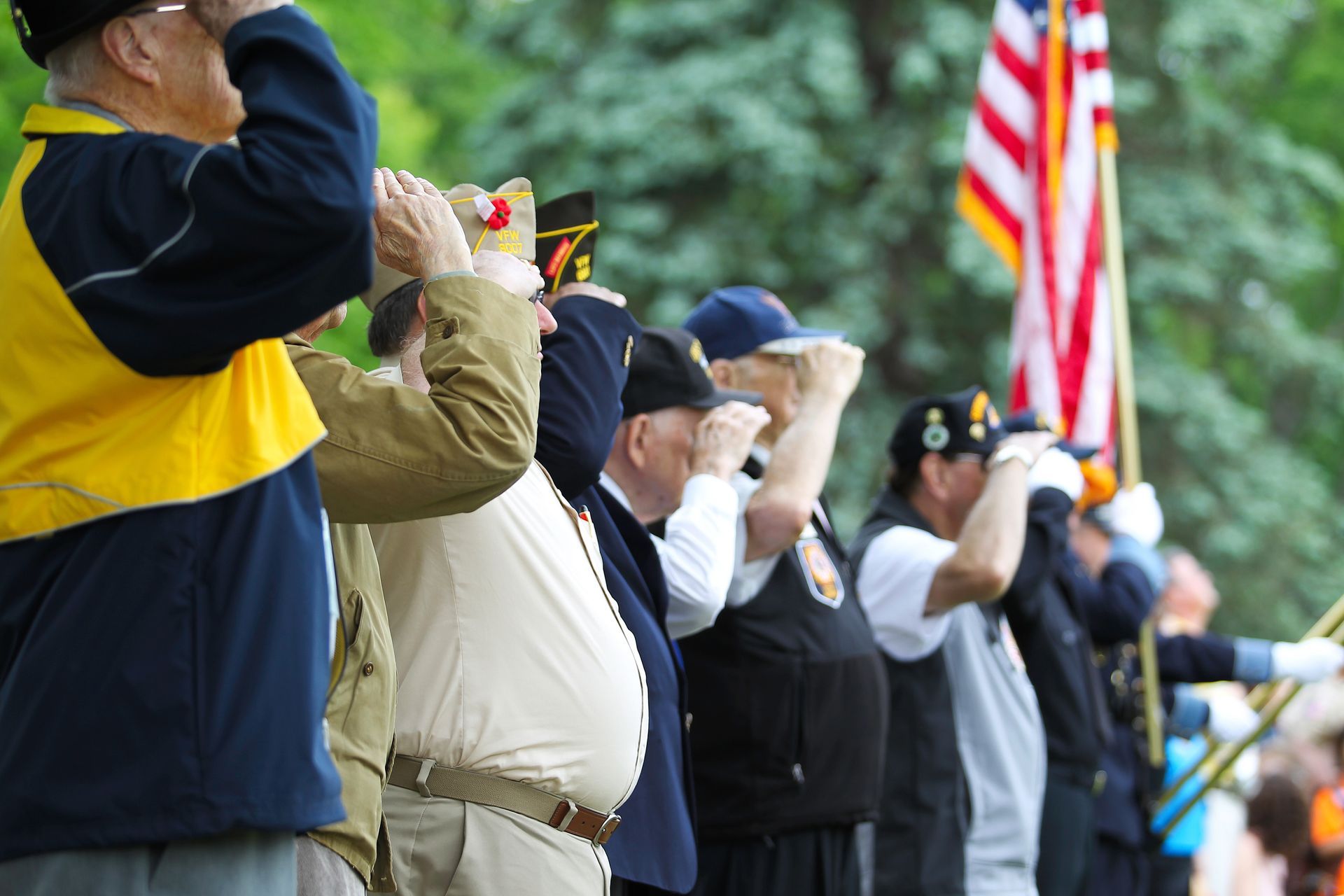
Veteran support events play an important role in connecting former service members with resources, community, and long-term support systems. Whether the goal is fundraising, awareness, or direct service outreach, these events often serve as a first impression of a nonprofit’s mission and values.
If your organization is planning a veteran-focused event, working with experienced event partners who understand mission-driven environments can help ensure the event supports veterans in meaningful ways. Thoughtful planning from layout to atmosphere can make the difference between a one-night gathering and a lasting impact.
Below are five common mistakes veteran foundations and nonprofit event planners should avoid, along with practical guidance on how to design events that truly serve those who served.
Mistake 1: Treating the Event as a One-Time Experience
One of the most common planning mistakes is viewing a veteran support event as an isolated event rather than part of a long-term support strategy. While a successful evening may raise funds or awareness, veterans often need continued access to services, relationships, and community.
When events end without a clear next step, both veterans and supporters may walk away inspired but unsure how to stay involved. This can limit the long-term value of the event.
A more effective approach is to design events that act as an entry point. Resource sign-ups, follow-up communications, volunteer opportunities, and future programming should be woven into the experience. Even simple elements such as clearly marked information tables or guided transitions between event segments can help attendees understand what comes next.
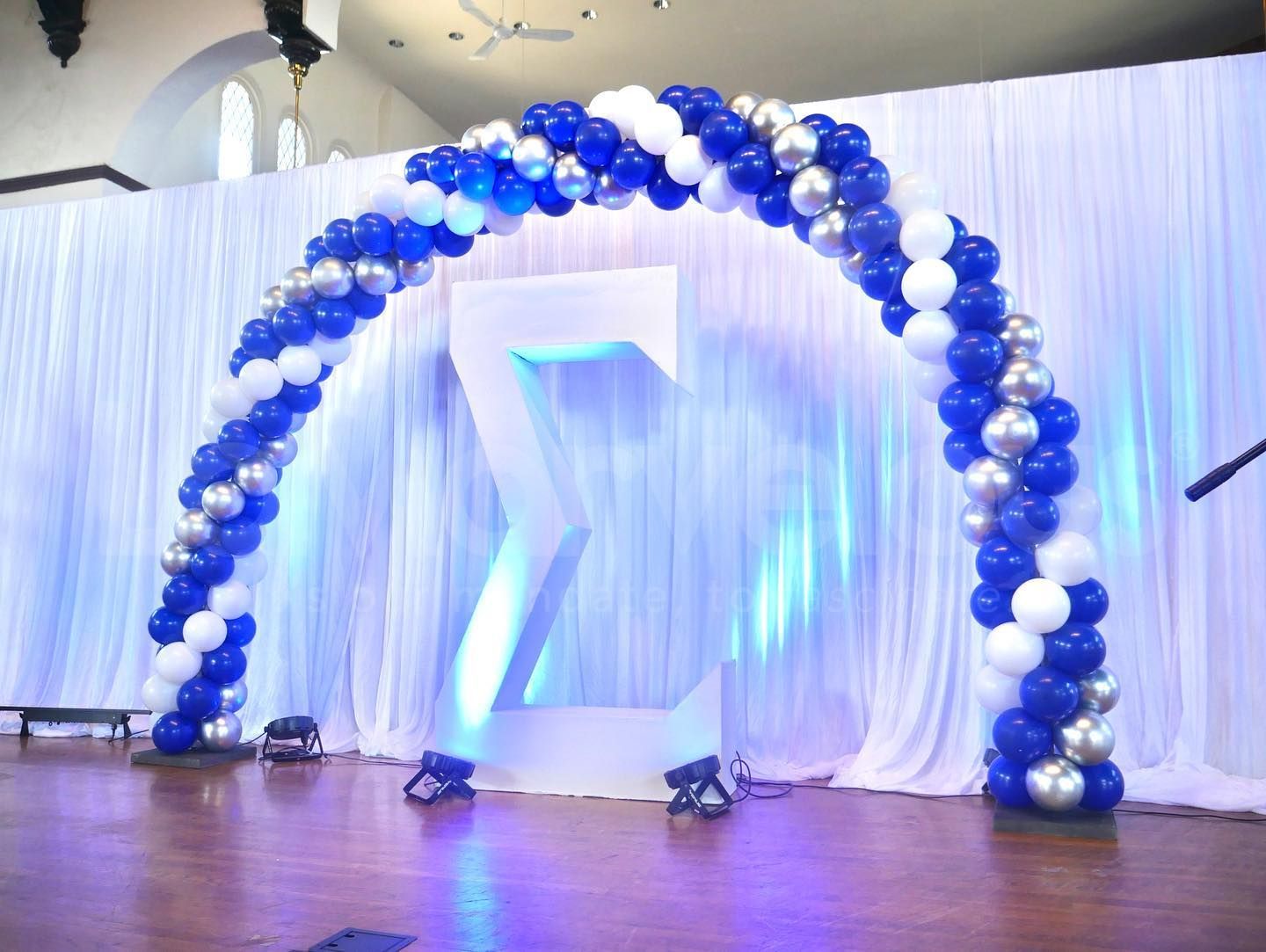
The physical environment plays a role here as well. A well-organized layout encourages movement, conversation, and engagement. Event décor, including balloon installations, can be used intentionally to guide guests toward resource areas, welcome spaces, or post-event sign-up zones. This is an ideal opportunity to internally link to a page about event layout support or mission-aligned balloon décor services.
Mistake 2: Not Centering the Event Around Veteran Needs
Even well-intentioned events can miss the mark if they are designed primarily around donor experience rather than veteran needs. Veterans attending support events may be navigating physical limitations, mental health challenges, or discomfort in large, crowded environments. If these factors are not considered, the event may unintentionally feel unwelcoming.
Successful veteran-focused events start by listening. Veteran advisors, focus groups, or partner organizations can provide valuable insight into accessibility needs, sensory considerations, and resource priorities. Clear signage, easy navigation, and thoughtful pacing all contribute to a more supportive environment.
Visual elements should reinforce clarity rather than overwhelm. Balloon decor choices can support this by creating visual cues that help attendees understand where to go and what to expect. Balloon arches and columns can be used to clearly mark entrances, resource stations, family areas, or quiet zones without creating visual clutter.
Mistake 3: Overlooking the Emotional Weight of Military Service
Veteran support events often carry emotional significance. For some attendees, these gatherings may bring up memories of service, loss, transition, or ongoing struggles. When events lean too heavily into celebration without space for reflection, they can feel disconnected from the lived experiences of many veterans.
This does not mean events must be somber, but they should be balanced. Moments of recognition, storytelling, and quiet reflection can help veterans feel seen and respected. Providing calm spaces away from noise and crowds allows attendees to engage at their own pace.
The atmosphere of an event communicates values before a single word is spoken. Lighting, spacing, and color choices all contribute to the feel of the event. Balloon decor in muted or neutral tones can add warmth without creating overstimulation. Memorial displays, welcome installations, or mission-focused focal points can be enhanced with tasteful decor that supports the tone of the event rather than overpowering it.
Mistake 4: Forgetting the Role of Family and Caregivers
Veterans do not experience their transition and challenges in isolation. Spouses, children, and caregivers are often an essential part of the support system. Events that focus solely on veterans without considering family inclusion may unintentionally limit engagement or attendance.
Family-friendly planning might include designated areas for children, flexible seating options, or programming that acknowledges caregivers. Clear visual separation between activity zones can help families feel welcome while maintaining a respectful and mission-focused atmosphere.
The Decor for the event can support this balance by defining spaces. Balloon installations can visually differentiate family areas from quiet zones and resource sections. This approach supports flow and inclusivity while maintaining clarity for all attendees.
Mistake 5: Underestimating the Power of the Event Environment
Some nonprofits view decor as an optional or cosmetic element, but the event environment plays a powerful role in shaping perception. Veterans, donors, and community partners often interpret the quality of an event as a reflection of organizational care and credibility.
An intentional environment communicates respect, organization, and trust. This does not require extravagance, but it does require purpose. Every visual element should reinforce the mission rather than distract from it.
Balloon decor can be used strategically to create welcoming entrances, highlight mission statements, or frame key moments such as speeches and award presentations. When aligned with the nonprofit’s values, the decorations become a part of the storytelling.
Creating Events That Honor Service and Build Community
Veteran support events are an opportunity to demonstrate respect, commitment, and long-term vision. Avoiding common planning mistakes allows nonprofits to create experiences that feel welcoming, meaningful, and impactful for veterans and their families.
When planning your next veteran-focused event, consider partnering with service providers who understand the importance of mission-driven design. Thoughtful event environments, including intentional balloon decor, can support connection and clarity, while reinforcing your organization’s purpose.
If your organization is preparing for an upcoming veteran support event, now is the time to think beyond the basics and plan an experience that truly serves those who served.
Frequently Asked Questions
What are veterans’ biggest needs?
Veterans’ needs vary based on age, service history, and life circumstances, but commonly include mental health support, access to healthcare, stable housing, employment assistance, and community connection. Events that connect veterans directly to resources and ongoing support systems tend to create more lasting impact than those focused solely on fundraising.
How do you start a Veteran service organization?
Starting a veteran service organization typically involves identifying a specific unmet need, establishing nonprofit status, engaging veteran leadership or advisors, and building trust within the veteran community. Events play an important role in awareness, fundraising, and relationship-building, especially when designed with intention and respect.
What struggles might veterans face in decades to come?
As veterans age, long-term challenges may include healthcare access, mobility limitations, mental health support, and social isolation. Forward-thinking events can help build networks and awareness that support veterans not just today, but well into the future.