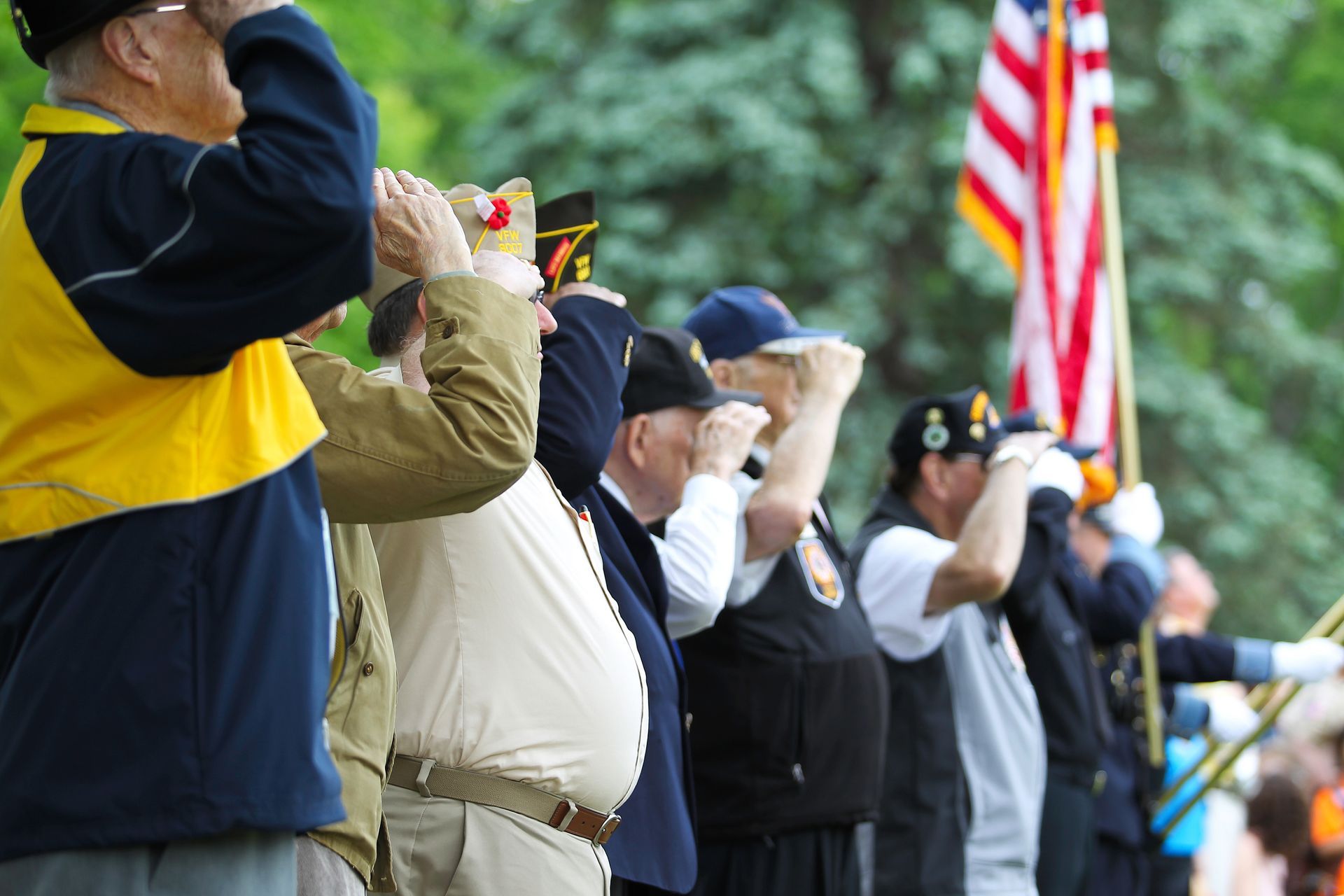
10 Tips for Better Veteran Outreach Programs
Veteran outreach programs play a critical role in connecting former service members with housing support, healthcare resources, career placement, mental health services, and community belonging. However, many foundations rely heavily on annual fundraisers or appreciation events while missing opportunities to reach veterans consistently throughout the year.
If you are planning events or community initiatives for a veteran foundation, your goal is not just attendance. It is meaningful engagement, trust-building, and long-term impact.
Below are 10 practical strategies to strengthen your veteran outreach programs and increase participation beyond traditional fundraising events.
1. Focus on Year-Round Engagement, Not Just Annual Events
Many outreach efforts revolve around one major fundraiser or holiday event. While these are important, veterans often need consistent support.
Consider:
- Quarterly resource fairs
- Monthly support meetups
- Skill-building workshops
- Job networking events
- Family-inclusive community gatherings
Consistent visibility builds trust and credibility over time.
2. Identify the Most Urgent Veteran Needs in Your Area
Outreach is most effective when it addresses real, local needs. According to the U.S. Department of Veterans Affairs (VA), many veterans continue to face challenges related to healthcare access, housing stability, employment transition, and mental health support. Conduct surveys, talk to local VA representatives, and collaborate with service organizations to better understand the gaps in your specific community.
Common veteran needs include:
- Mental health services
- Housing assistance
- Employment transition support
- Financial guidance
- Social connection and community
Programs tailored to specific community gaps perform significantly better than generalized events.
3. Partner with Local Organizations
Outreach expands when partnerships expand.
Collaborate with:
- Local businesses
- Medical providers
- Legal aid clinics
- Career training programs
- Faith-based organizations
Partnerships increase resources, credibility, and attendance while reducing your operational burden.
4. Make Your Events Highly Visible
One of the biggest challenges in outreach is awareness. Veterans cannot attend an event they do not know exists.
In addition to digital marketing and local press, consider how your physical setup increases visibility at community events.
Strategic event design elements such as:
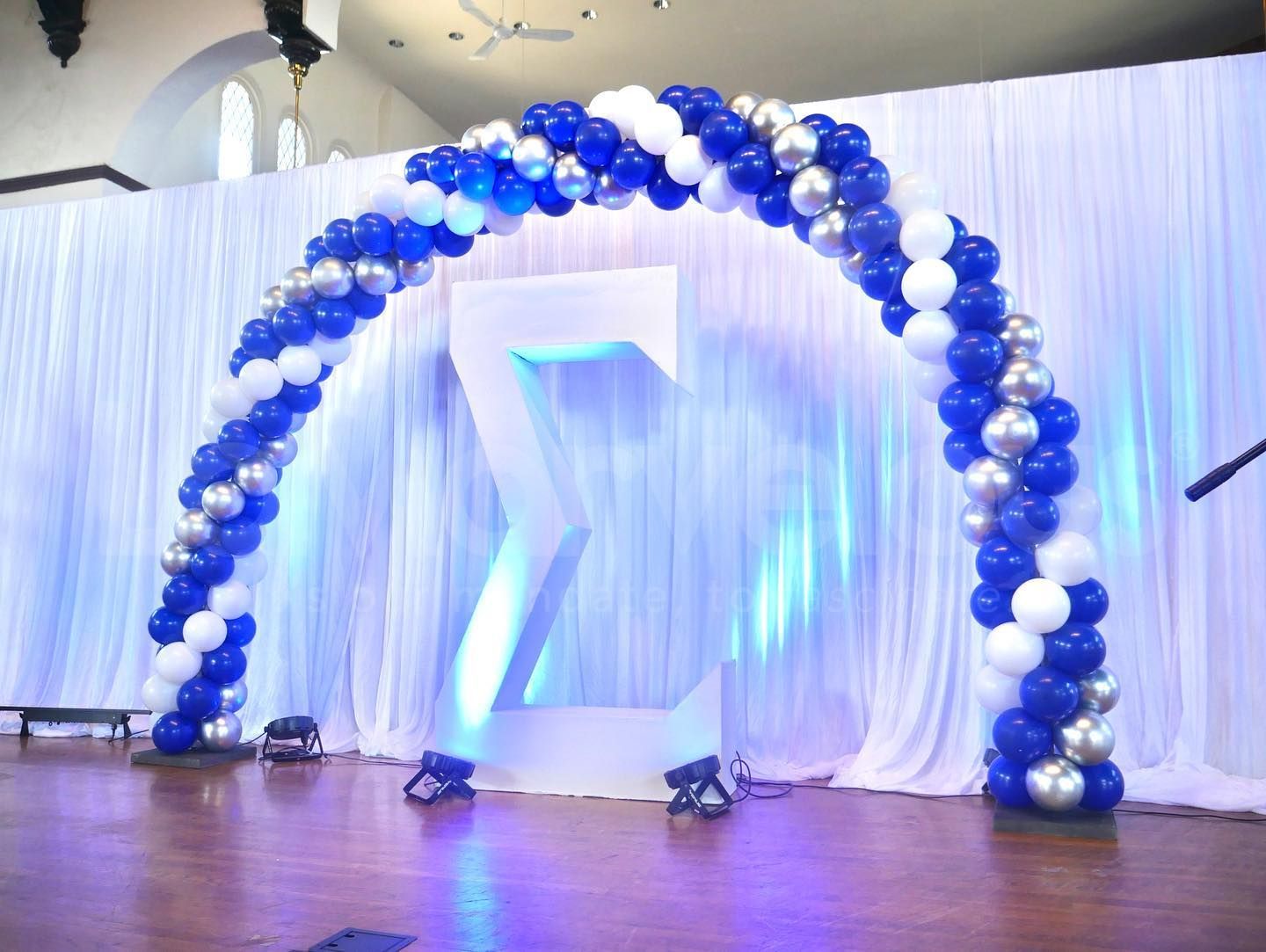
- Branded balloon arches
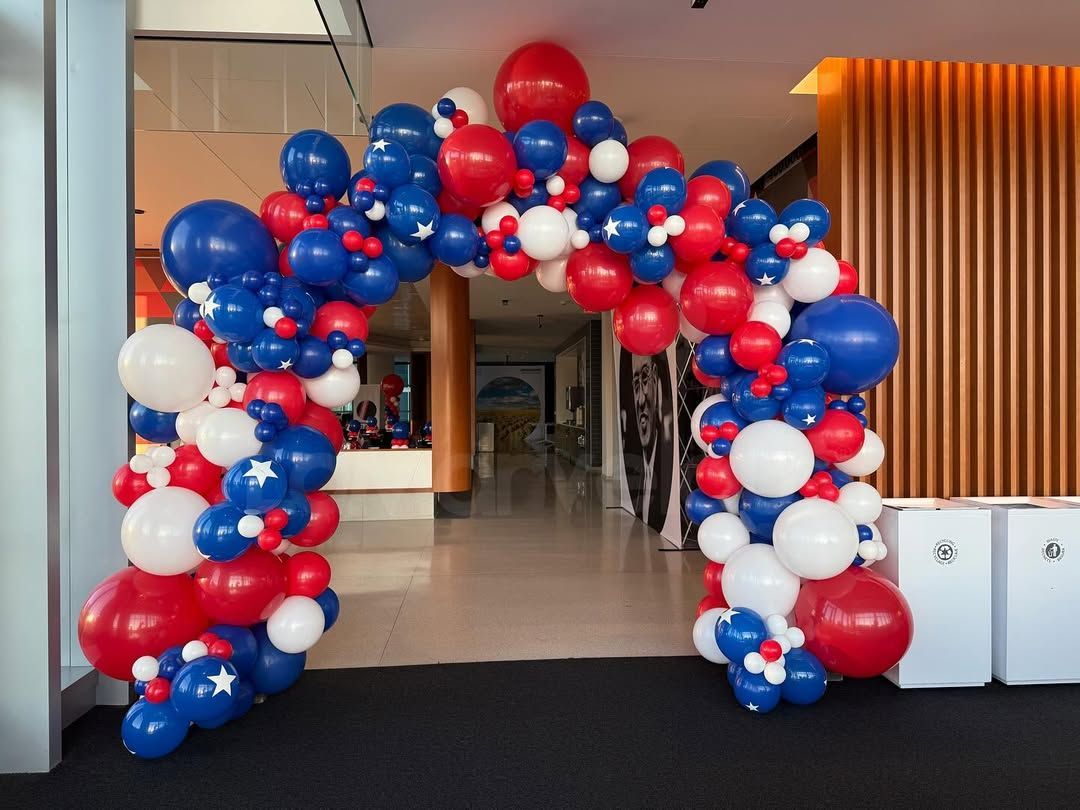
- Patriotic balloon columns
- Clearly marked resource stations
- Custom backdrop displays
Help your booth stand out at fairs, parades, and public gatherings. Visibility drives walk-up engagement, especially at multi-organization events.
5. Create a Welcoming, Professional Environment
First impressions matter. Veterans are more likely to engage when an event feels organized, welcoming, and respectful.
Professional presentation can include:
- Clear signage
- Structured layout for easy navigation
- Designated registration areas
- Comfortable seating areas
- Branded visual elements
Patriotic balloon displays or custom backdrops can help create a warm, dignified atmosphere while reinforcing your foundation’s identity.
A welcoming environment communicates that your organization values the people it serves.
6. Improve Event Navigation and Wayfinding
Large outreach events can overwhelm attendees. Clear direction improves participation.
Use:
- Color-coded sections
- Clearly labeled service areas
- Visual markers above key resource tables
- Structured traffic flow
For example, balloon columns can mark specific service zones such as:
- Housing assistance
- Legal services
- Employment support
- Counseling resources
When veterans can easily find the help they need, they are more likely to stay engaged.
7. Incorporate Family-Friendly Elements
Veteran outreach should consider spouses and children. When families feel included, attendance increases.
Consider adding:
- Kid-friendly activity areas
- Photo stations
- Community recognition walls
- Interactive booths
A patriotic balloon backdrop or themed photo area encourages families to take photos and share on social media, expanding awareness organically.
8. Use Events to Build Ongoing Relationships
Outreach is not a one-time interaction. Every event should capture contact information and encourage future participation.
Best practices include:
- Simple sign-up forms
- QR codes linking to resources
- Follow-up email campaigns
- Volunteer opportunities
- Recurring support groups
Your event design should guide attendees naturally toward registration and information areas.
9. Highlight Sponsors and Community Support
Veteran programs often rely on community sponsors. Acknowledge them professionally to strengthen future partnerships.
Options include:
- Branded backdrop displays
- Sponsor recognition walls
- Custom balloon installations incorporating sponsor colors
- Photo opportunities with sponsor logos
A polished presentation encourages continued financial and logistical support.
10. Measure Impact and Refine Your Strategy
Successful outreach programs evolve.
After each event, evaluate:
- Attendance numbers
- Resource utilization
- Follow-up engagement
- Volunteer participation
- Community feedback
Refining your strategy ensures that each outreach effort becomes more effective than the last.
Why Event Presentation Matters in Veteran Outreach
Outreach is about connection. But connection starts with approachability and professionalism.
Strategic event design is not about decoration. It is about:
- Increasing visibility in crowded environments
- Creating clear navigation
- Reinforcing trust and credibility
- Encouraging photo sharing and awareness
- Supporting a respectful, welcoming atmosphere
When your outreach event looks organized and intentional, participation improves.
Strengthen Your Next Veteran Outreach Event
If you are planning a veteran resource fair, appreciation event, or community outreach program, thoughtful event presentation can significantly increase engagement and turnout.
Professional balloon installations, patriotic displays, and branded backdrops help your foundation stand out while creating a welcoming environment for veterans and their families.
Ready to elevate your next outreach event?
Veteran Outreach Program FAQs
What are veterans' biggest needs?
Veterans’ needs vary by region and service background, but the most common include:
- Mental health support
- Housing stability
- Employment transition assistance
- Access to healthcare
- Social connection and community
Effective outreach programs identify local gaps and tailor services accordingly.
What makes a successful outreach program?
A successful veteran outreach program includes:
- Clear objectives
- Consistent year-round engagement
- Strong community partnerships
- Professional event presentation
- Follow-up communication systems
- Measurable impact tracking
The most effective programs prioritize accessibility, trust, and ongoing support rather than one-time events.
What are examples of outreach strategies?
Examples of veteran outreach strategies include:
- Resource fairs with multi-agency participation
- Job training workshops
- Family-focused appreciation events
- Mobile assistance units
- Peer support groups
- Community awareness campaigns
Combining strategic marketing with professional event setup improves both attendance and long-term engagement.