5 Ways to Build Trust and Turnout in Veteran Resource Programs
Veteran resource programs across Nashville play an important role in supporting those who have served. From employment assistance and healthcare access to community connection, these programs are often built with strong intentions. Yet many planners face a common challenge: low turnout or limited engagement from veterans who have attended similar events in the past.
For many veterans, trust determines whether they attend. Programs that feel repetitive, impersonal, or unclear about their impact can lead to hesitation. Building trust and increasing participation requires thoughtful planning that prioritizes inclusion, clarity, and respect for veterans’ time and experiences.
The following five strategies can help Nashville planners build trust and improve turnout in veteran resource programs.
Clearly Communicate Purpose and Value
Veterans are more likely to attend programs when they understand exactly what the event offers. Vague messaging or overly promotional language can undermine trust before the event even begins.
Clear communication should outline what resources will be available, who will be present, and what outcomes veterans can reasonably expect. Programs that consistently deliver on their promises earn credibility within the veteran community. When veterans feel confident that an event respects their time and provides meaningful support, attendance becomes more likely.
Trust grows when planners focus on transparency rather than marketing.
Design Spaces That Feel Organized and Welcoming
The physical environment has a powerful influence on how veterans experience a program. A space that feels chaotic or poorly organized can increase discomfort and reinforce skepticism. Inclusive event design helps veterans feel at ease the moment they arrive.
Clear layouts, defined areas, and visual cues allow veterans to navigate independently without confusion. In Nashville venues hosting multi-agency resource programs, thoughtful spatial design can reduce stress and encourage engagement.
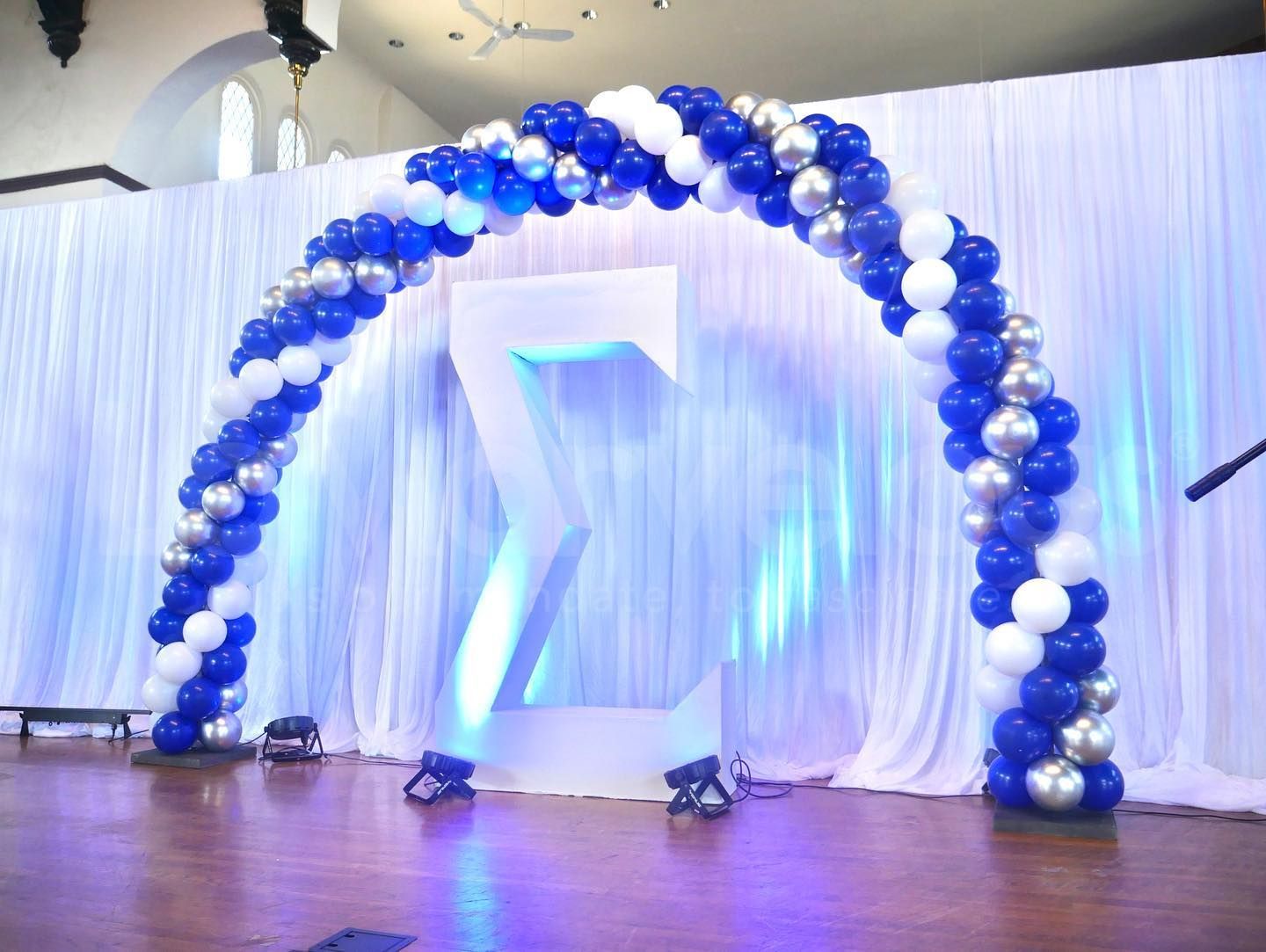
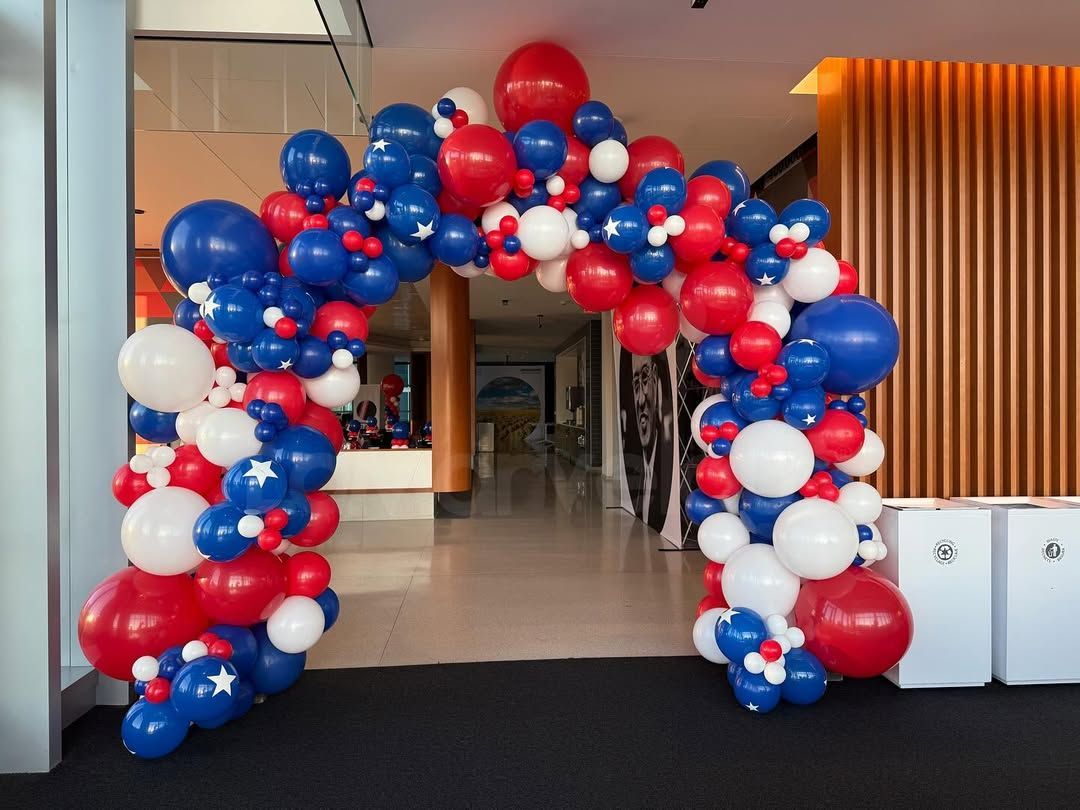
Balloon decor can support this goal when used intentionally. Simple balloon installations can help mark entrances, highlight check-in areas, or identify different resource zones without relying on loud announcements or excessive signage. When décor contributes to clarity rather than clutter, it reinforces trust by signaling intentional planning.
Respect Veteran Experiences and Avoid Repetition
Many veterans disengage from resource programs because past experiences felt repetitive or lacked follow-through. Trust is built when planners recognize that veterans have diverse needs and experiences and design programs accordingly.
Programs lose credibility when they feel transactional or surface level. Veterans want access to real support, meaningful conversations, and resources that lead to next steps.
Common reasons veterans lose trust in resource programs include:
- Attending events that feel the same year after year
- Limited access to decision-makers or service providers
- Lack of follow-up after initial conversations
- Environments that feel impersonal or rushed
Programs that prioritize substance over scale are more likely to leave a lasting impression.
How Thoughtful Balloon Decor Supports Veteran Resource Programs
Thoughtful balloon decor can play a practical role in veteran resource programs when it is integrated into inclusive event design. In Nashville venues, balloon installations can help clearly identify entrances, check-in areas, and key resource zones while maintaining an open and approachable atmosphere.
When color choices, placement, and scale are considered, balloon decor supports organization without overwhelming the space. This visual helps veterans feel more comfortable navigating the event and engaging with available resources. When decor reinforces flow and accessibility it becomes part of the event rather than a distraction.
Use Inclusive Design to Encourage Connection
Inclusive design goes beyond accessibility requirements. It also shapes how comfortable veterans feel interacting with others. Layout, seating, and visual elements all influence connection and engagement.
Design choices should encourage conversation while supporting mobility and ease of movement. Calm, uncluttered spaces allow veterans to focus on resources and relationships rather than navigating obstacles.
Effective inclusive design choices include:
- Clear entry points that feel welcoming and intentional
- Open layouts that support mobility and comfort
- Visual markers that help veterans navigate independently
- Defined gathering areas that encourage conversation
When the environment feels approachable, veterans are more likely to stay longer and engage more deeply.
Make Veterans Feel Valued, Not Marketed To
Veterans can quickly sense when programs are designed for optics rather than impact. One of the most effective ways to build trust is to ensure veterans feel respected and valued as individuals.
The small details matter. How veterans are greeted, how clearly information is presented, and how the space is arranged all communicate intention. Visual design plays a subtle but important role by signaling care without overwhelming the experience.
In Nashville’s veteran community, programs that feel personal and purposeful stand out. When veterans leave feeling supported rather than targeted, trust grows and turnout improves naturally.
Building trust and turnout in veteran resource programs requires intention, not promotion. By clearly communicating value and respecting veteran experiences, planners can create programs that veterans want to attend.
When trust is prioritized, participation follows. Thoughtful planning and purposeful design help transform veteran resource programs into meaningful community experiences across Middle Tennessee.
Who helps veterans the most?
Veterans are best supported by a combination of local organizations, nonprofits, government programs, and community partners that provide consistent resources and reliable follow-up.
How do you build rapport with veterans?
Rapport is built through listening, transparency, and respect for veterans’ time and experiences, supported by welcoming environments and meaningful engagement.
How do you make a veteran feel special?
Veterans feel valued when programs are thoughtful, inclusive, and focused on genuine connection rather than surface-level recognition.