4 Veteran Needs Event Planners Often Overlook in Nashville and How to Address Them
Nashville is home to a strong and diverse veteran community. From active-duty service members transitioning to civilian life to longtime veterans who have made Middle Tennessee their home, the veteran population in the area represents a wide range of backgrounds and experiences. While many local events aim to honor veterans, some unintentionally miss the mark by relying on assumptions about who veterans are and what they need.
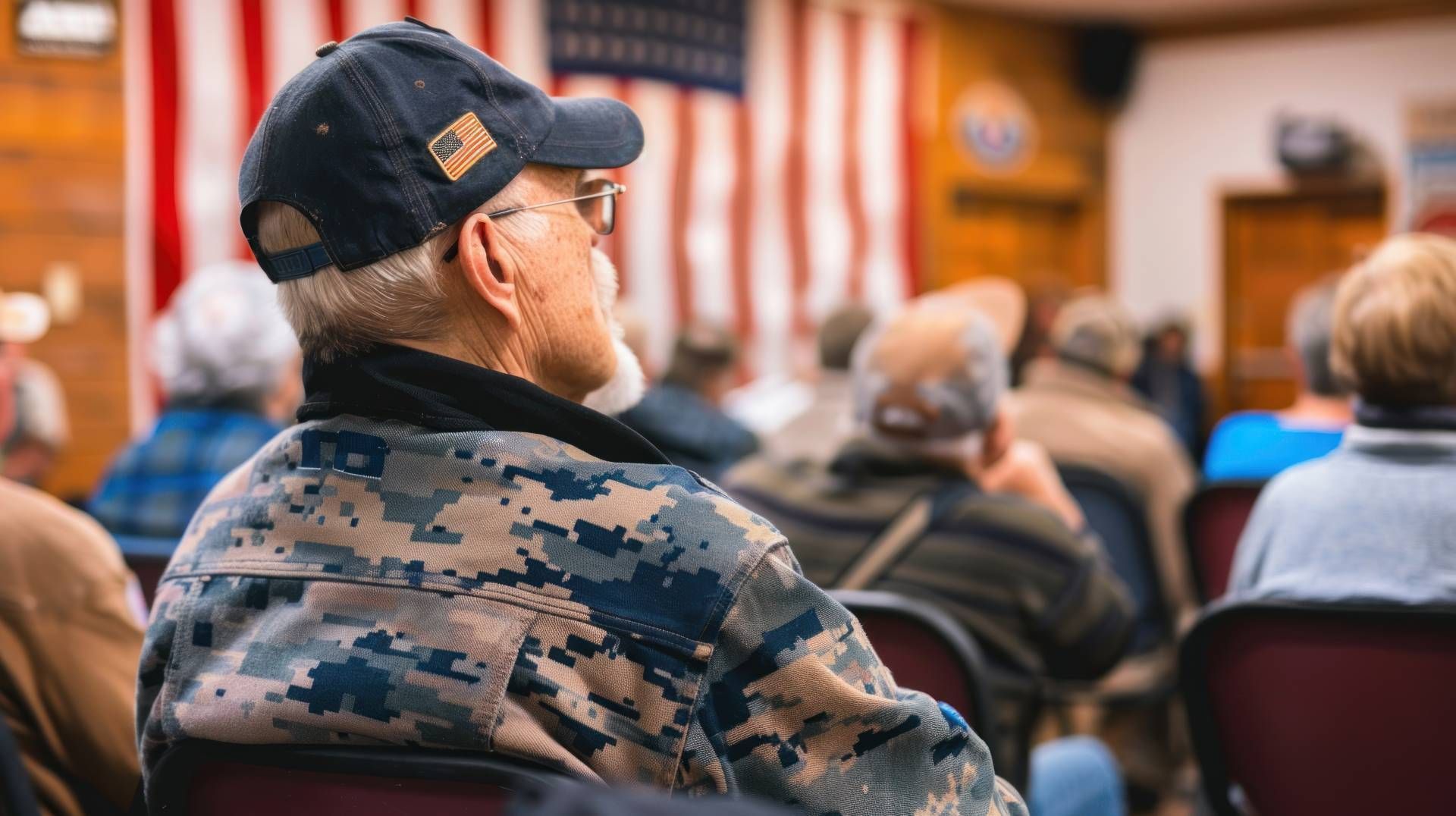
Veterans are not a single group. They include women, people of color, individuals with disabilities, and veterans from different generations. Inclusive event planning focuses on recognizing those differences and designing events that feel welcoming, respectful, and accessible to all veterans in the Nashville area.
Representation Beyond Traditional Veteran Imagery
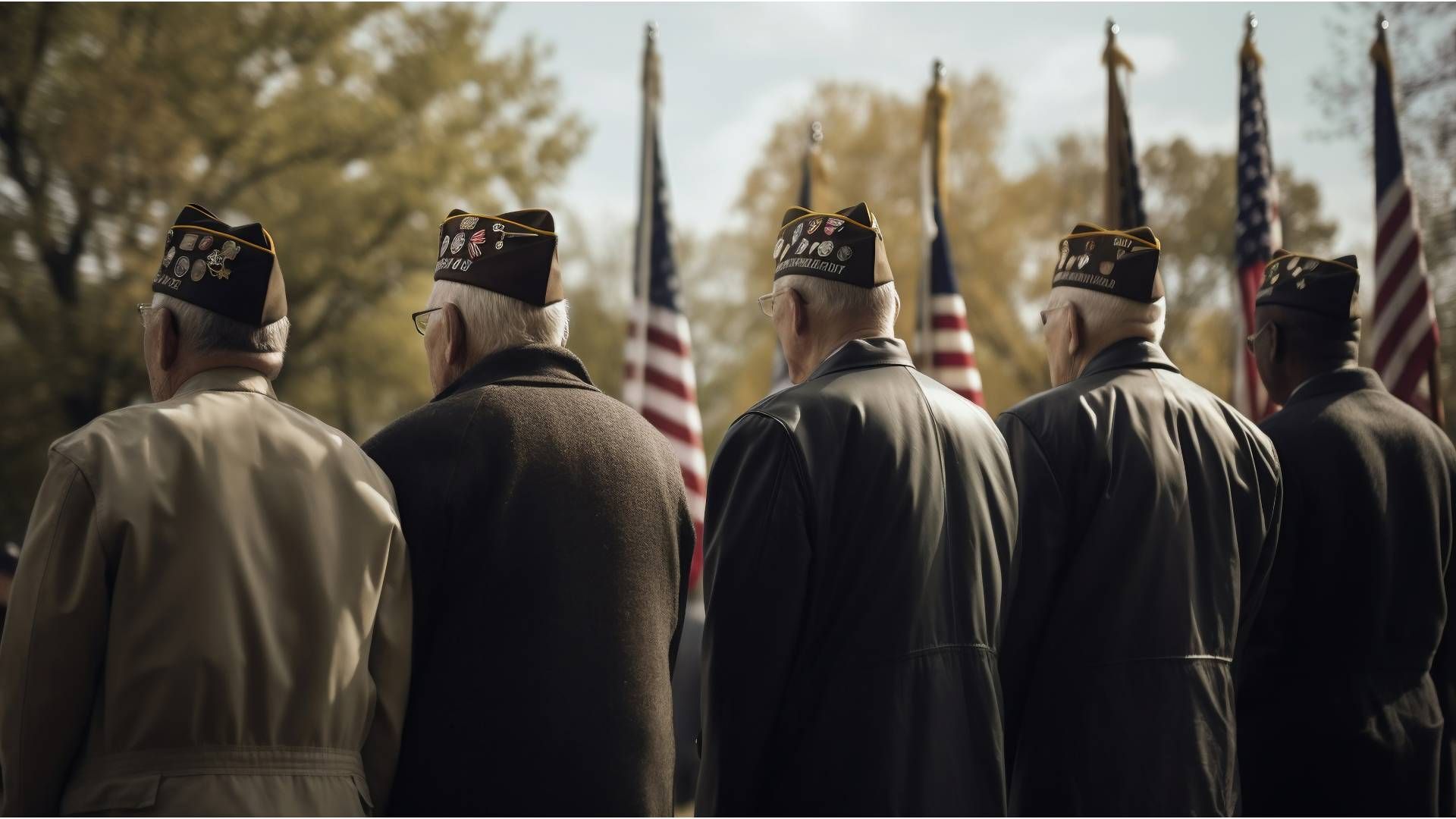
One of the most commonly overlooked needs at veteran events is representation. Many events lean on traditional military imagery that does not reflect the full diversity of Nashville’s veteran community. Women veterans and minority veterans, in particular, may not see themselves represented in visuals, messaging, or programming.
Representation is not limited to speakers or honorees. Visual elements throughout the event space play a key role in communicating who belongs. Thoughtful décor, signage, and layout choices can help ensure veterans from all backgrounds feel acknowledged and respected.
Common planning oversights include:
- Using one-dimensional military themes that overlook diversity
- Relying on imagery that excludes women or minority veterans
- Assuming all veterans want public recognition
- Overlooking generational differences within the veteran population
When planners move beyond stereotypes, veteran events in Nashville become more inclusive and meaningful.
Emotional Safety and Sensory Awareness
Emotional comfort is another important but often missed consideration. Some veterans may feel uncomfortable in loud, crowded, or visually overwhelming environments. Events that lack sensory awareness can unintentionally discourage attendance or limit engagement.
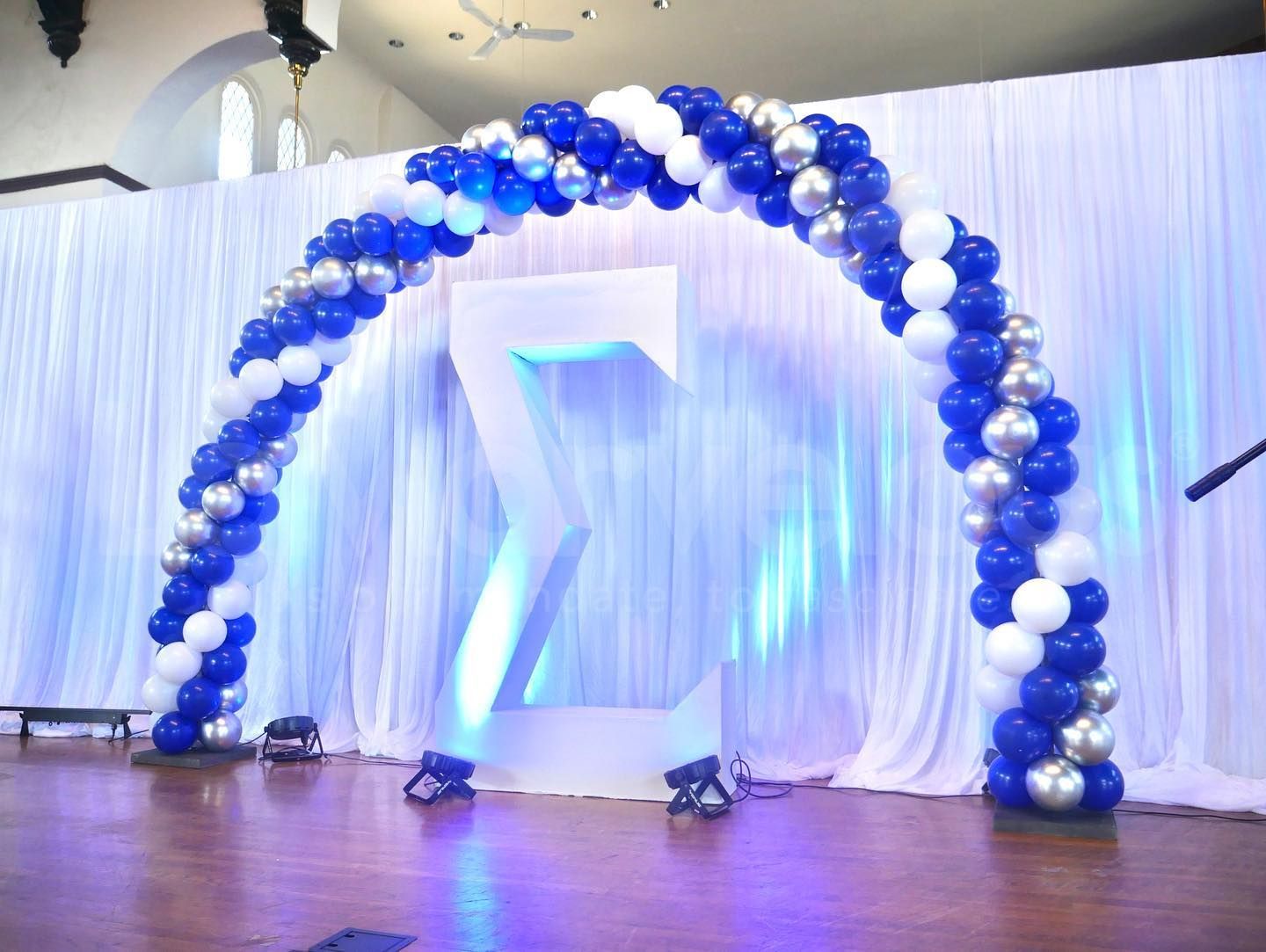
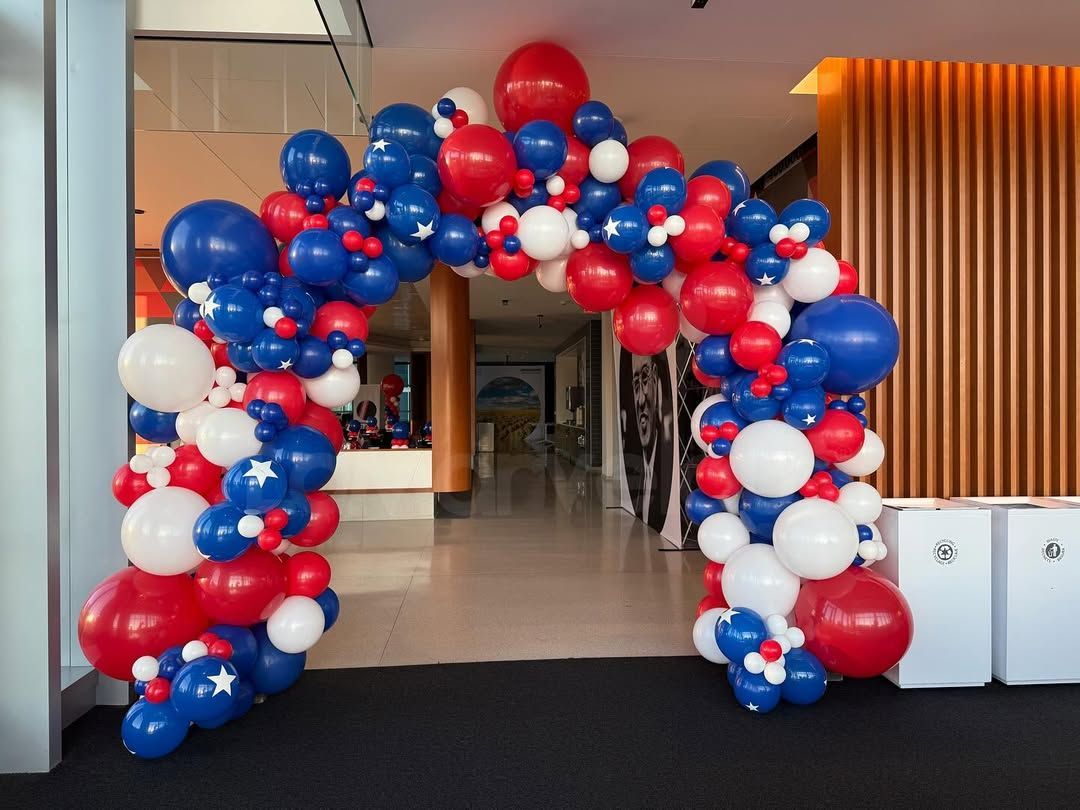
Inclusive event design prioritizes calm, clarity, and predictability. This includes clearly defined spaces, smooth flow between areas, and décor that supports the environment without overstimulating it. Balloon décor can contribute to this approach when used intentionally. Clean, uncluttered balloon installations can help define entrances, mark gathering areas, or guide movement through a venue without relying on loud announcements or excessive signage.
Soft color palettes and open layouts help create a welcoming atmosphere while reducing visual stress. When emotional safety is considered during planning, veterans can focus on connection and community rather than managing discomfort.
Accessibility as a Core Part of Event Design
Accessibility should be a foundational part of veteran event planning in Nashville, not an afterthought. Many veterans live with mobility challenges or cognitive disabilities that are not immediately visible. Event design should support ease of movement, clear navigation, and comfortable participation.
This includes wide walkways, adequate seating, readable signage, and logical layouts. Visual elements such as balloon arches or columns can be used to clearly mark entrances or important areas as long as they are placed with accessibility in mind. When décor supports navigation instead of obstructing it, it enhances the overall experience.
Inclusive event design ensures that all veterans can participate comfortably without feeling singled out or overlooked.
Visual Design That Signals Belonging
First impressions matter, especially at events meant to honor service. The way a venue looks and feels when veterans arrive sets expectations for the entire experience. Visual design communicates whether an event was planned with care and intention.
Thoughtful decor choices help create that sense of belonging. Balloon decor, when used strategically, can add warmth and structure without overwhelming the space. Entrance decor can welcome attendees, while cohesive design elements throughout the venue help the event feel organized and inclusive.
Effective inclusive design choices include:
- Welcoming entrance decor that feels calm and intentional
- Color palettes that emphasize unity
- Open layouts that support mobility and comfort
- Visual markers that help guests navigate independently
When visual design supports inclusion, veterans are more likely to feel respected and valued from the moment they arrive.
Inclusive veteran events in Nashville are built on intention, not assumptions. By focusing on representation, emotional safety, accessibility, and thoughtful visual design, event planners can create spaces that truly honor the diverse veteran community in Middle Tennessee.
Small design choices can have a meaningful impact. When veterans feel seen, supported, and comfortable, events become more than ceremonies. They become welcoming experiences rooted in respect.
What is the biggest struggle for veterans?
One of the biggest struggles veterans face is feeling understood and supported after transitioning to civilian life. This can include challenges related to mental health, employment, healthcare access, and finding a sense of belonging.
What is a minority veteran?
A minority veteran is a veteran who belongs to a racial or ethnic group that has historically been underrepresented or marginalized, including Black, Hispanic, Asian, Native American, Pacific Islander, or multiracial veterans.
What percent of veterans are minorities?
Approximately one in four U.S. veterans identifies as a racial or ethnic minority, and that percentage continues to grow among younger veteran populations.